Why Handleless Kitchens Are Gurgaon’s Top 2026 Luxury Trend
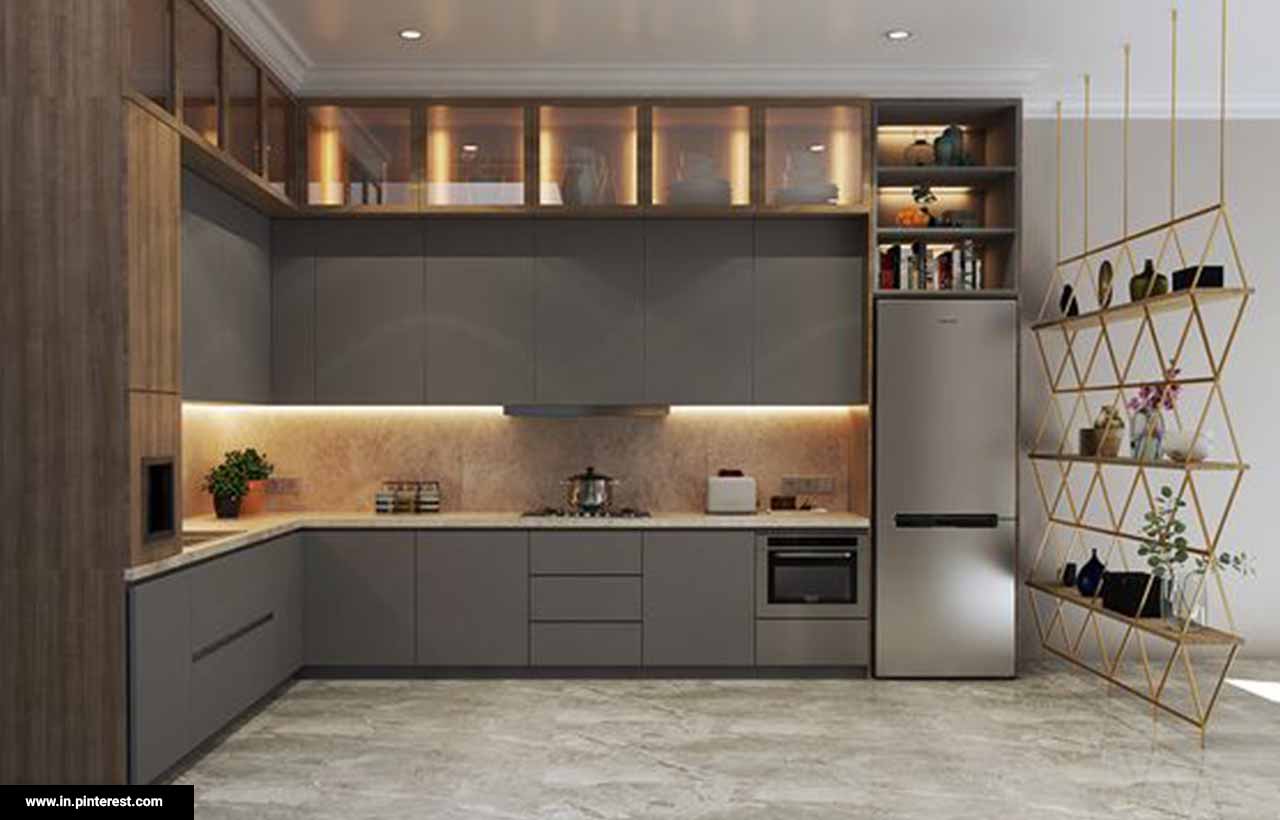
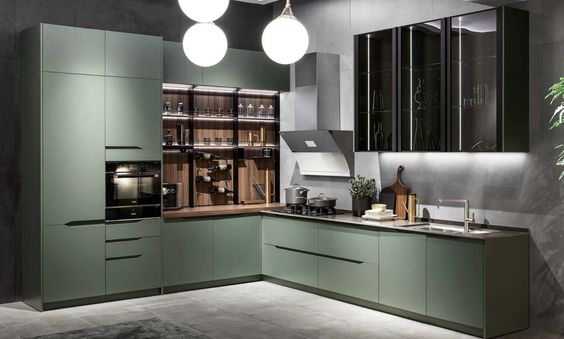
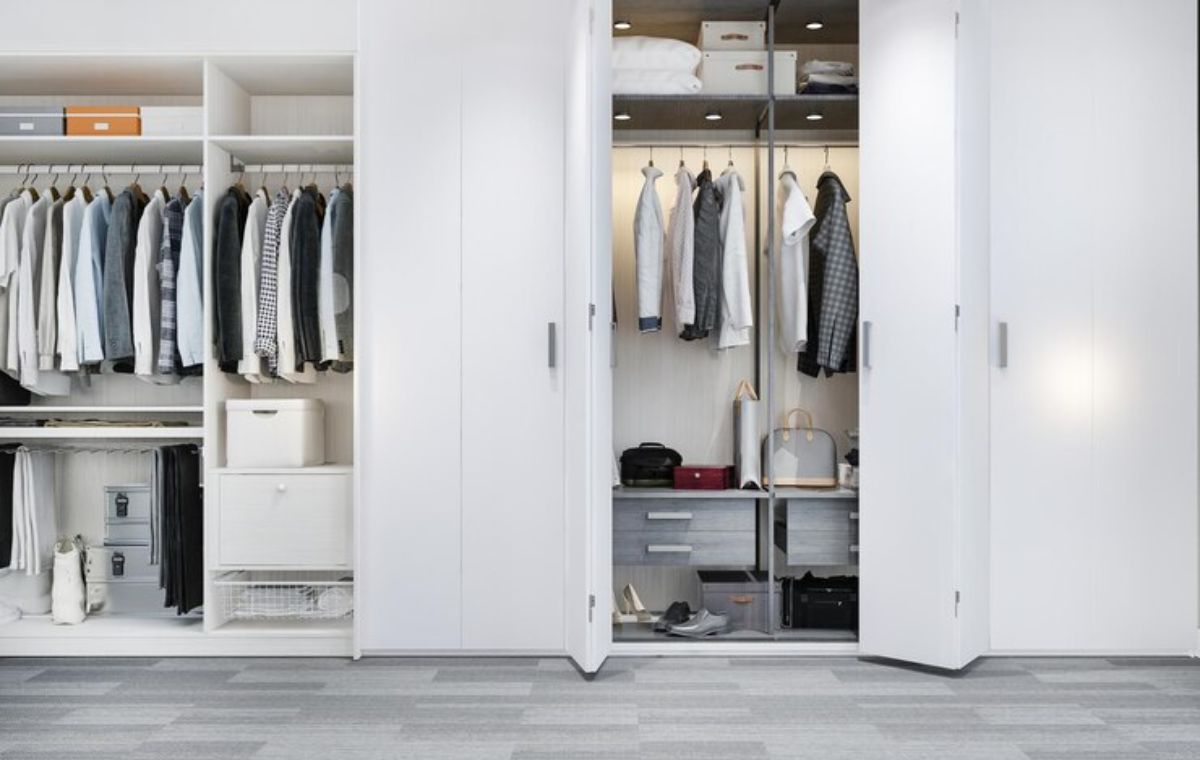
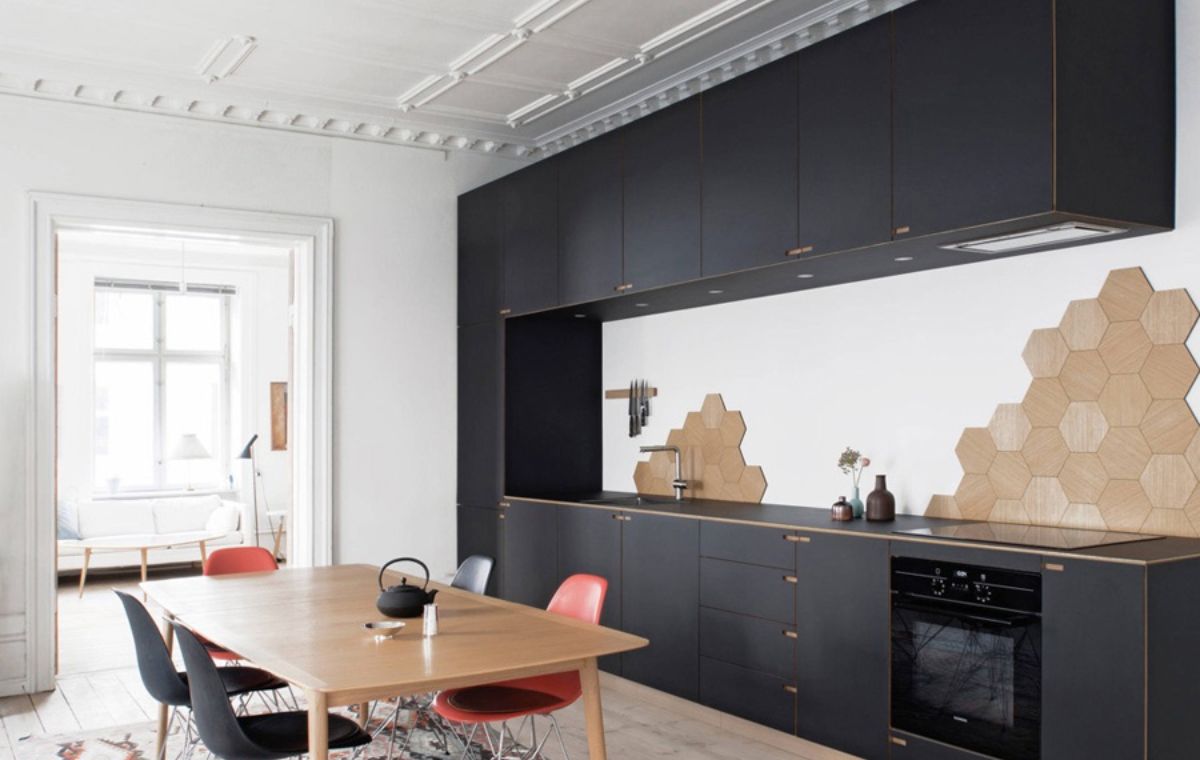
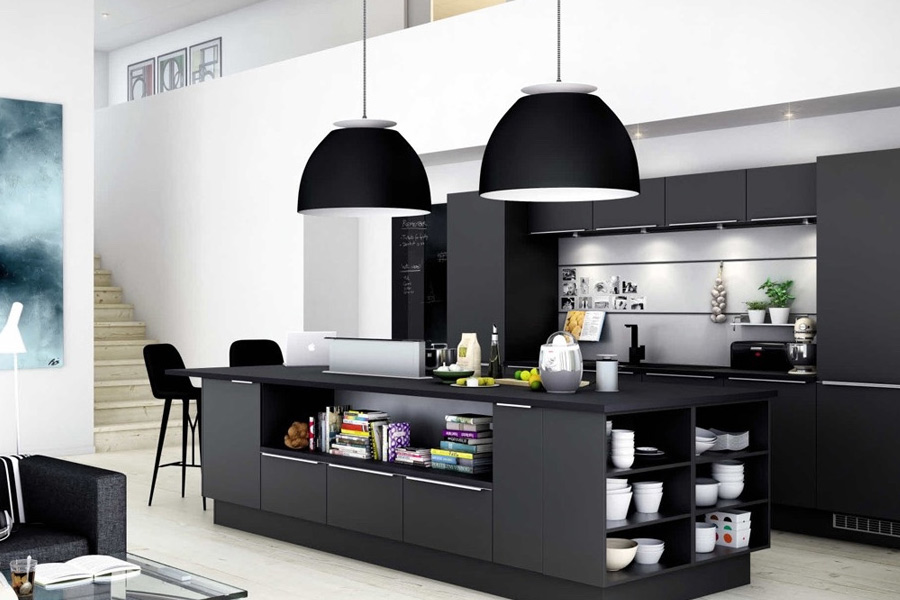
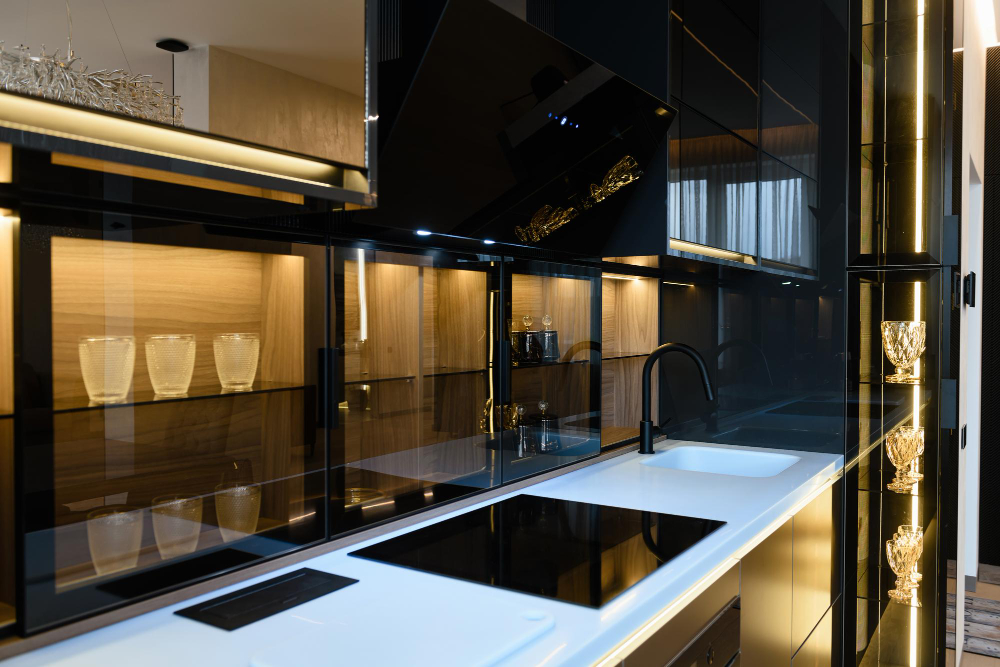
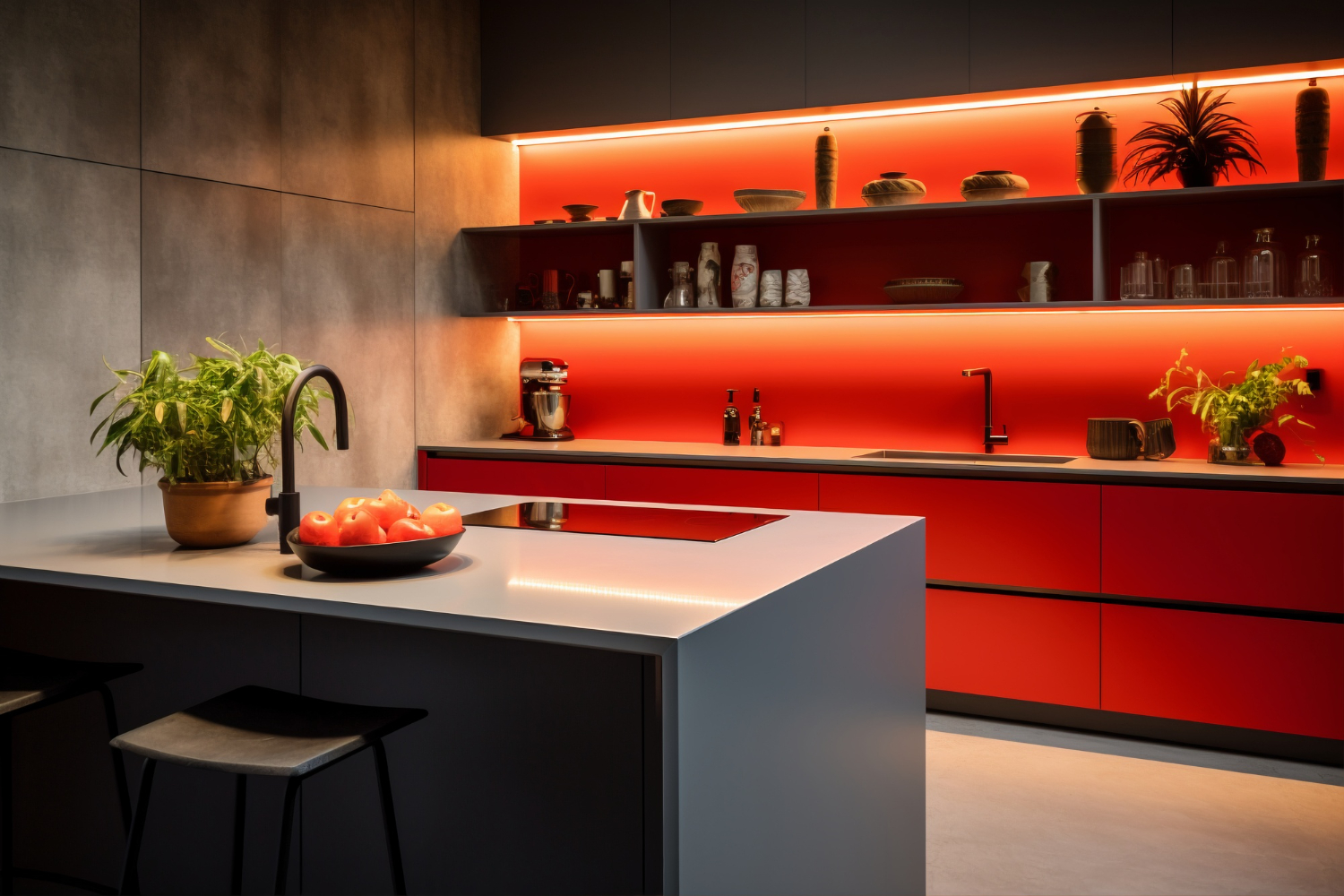
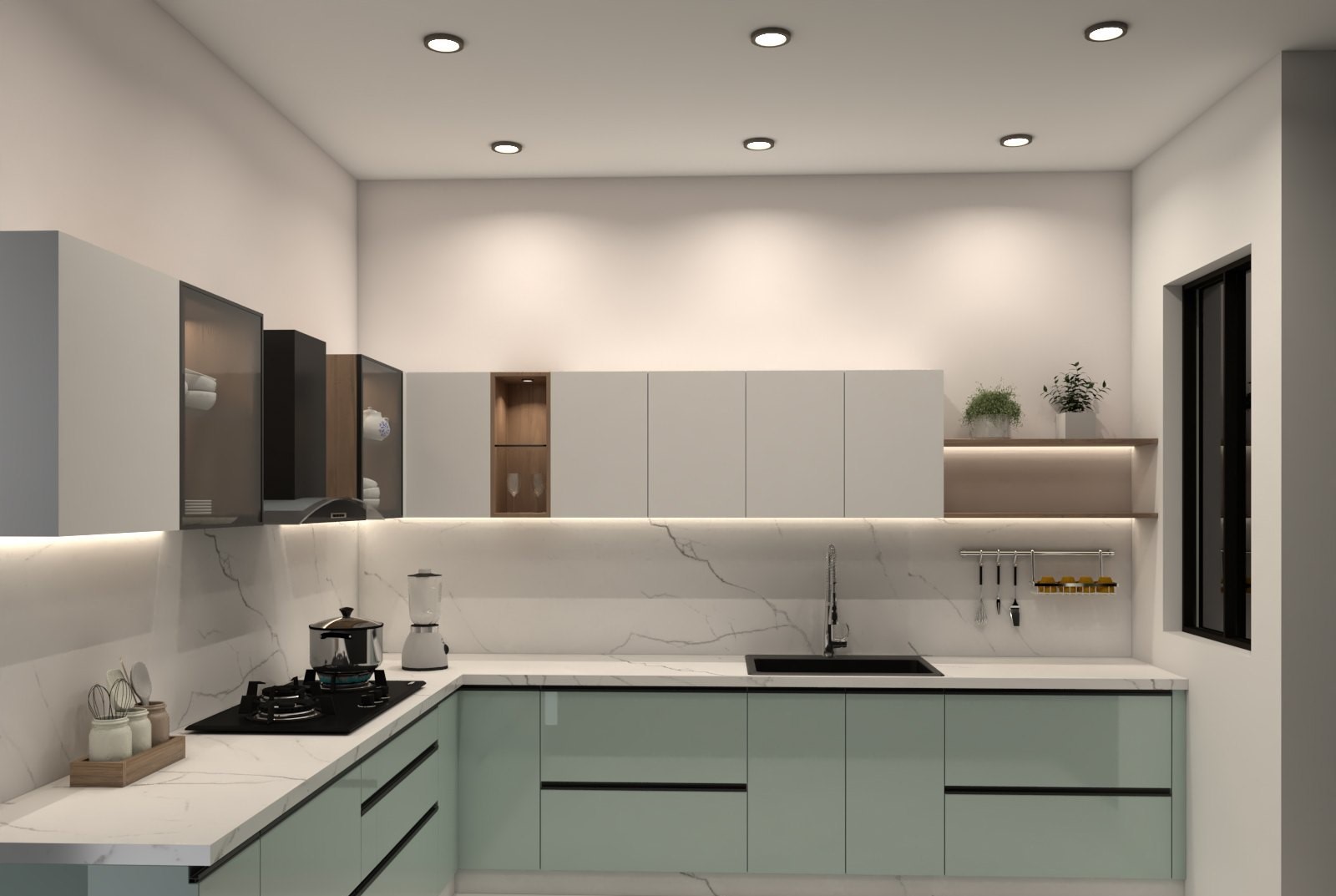
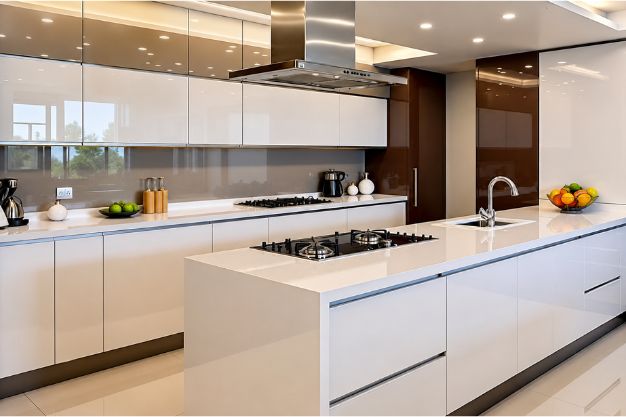
Walk into a truly luxury kitchen today and the first thing you'll notice is what you don't see. No handles interrupting a clean cabinet face. No visible hinges. No ovens or dishwashers breaking up a wall of cabinetry. Just flat, unbroken surfaces that feel calm, intentional, and expensive.
This is the handleless kitchen movement — and in 2026, it has become the defining signature of a modern luxury kitchen. For homeowners in Gurgaon renovating or building new homes, it's quickly moving from an aspirational Pinterest trend to a genuine design expectation, and one of the most searched kitchen styles this year.
At Novella Kitchens, we've spent years perfecting the engineering behind this "effortless" look — because achieving true minimalism is, ironically, one of the most technically demanding things a kitchen studio can do.
Why Is Minimalist, Handleless Kitchen Design Trending in 2026?
Luxury used to mean visible craftsmanship, ornate handles, elaborate mouldings, statement hardware. Today's luxury language has flipped. The new status symbol is restraint: a kitchen so seamless it looks like it was carved from a single block of material.
This shift is driven by a few things homeowners in Gurgaon are increasingly searching for and prioritizing:
- Visual calm in open-plan homes where the kitchen is on constant display to the living and dining areas
- Easier maintenance — fewer grooves, edges, and protrusions mean less dust and grime collection
- A sense of scale and space, since handleless fronts make cabinetry visually recede into the walls
- Timelessness — unlike trend-driven hardware finishes, a clean profile rarely looks dated
The catch is that minimalism only looks effortless when the engineering underneath it is flawless. A single misaligned groove or a drawer that doesn't glide perfectly ruins the entire illusion. This is where most kitchen fabricators fall short, and where precision manufacturing makes all the difference.
Types of Invisible Hardware for a Handleless Kitchen
"Invisible hardware" isn't one single feature, it's a family of design solutions that work together to eliminate visible pulls and knobs.
- J-pull and C-pull profiles A groove is milled directly into the top or bottom edge of the cabinet door, allowing you to hook your fingers in and pull. Done well, it reads as a subtle shadow line rather than a hardware element. Done poorly, it looks like an afterthought, inconsistent depth, rough edges, or visible tool marks.
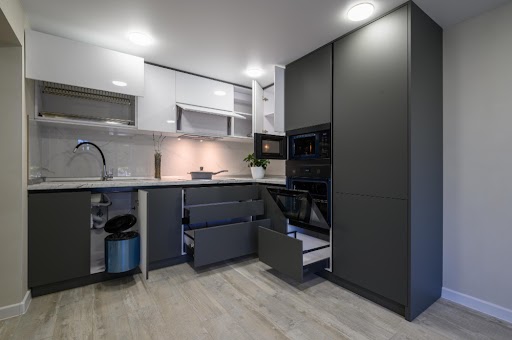
- Push-to-open kitchen cabinets A light push on the cabinet or drawer front triggers a mechanical or soft-close release. There's no groove at all, just a flush, uninterrupted surface. This works beautifully for upper cabinets and tall units where a pull groove would look heavy.
- Integrated finger-pulls A recessed channel built into the cabinet frame itself, rather than the door, keeping the door front completely flat while still offering a functional grip.
Each of these solutions demands millimetre-level precision in the cutting and milling process. A groove that's even slightly uneven catches the light differently across the run of cabinetry, and the "invisible" effect collapses.
Read also:- The Ultimate Guide to Luxury Modular Kitchen Designs, Cabinets & Hardware
How German CNC Precision Makes Handleless Cabinets Possible
This is where Novella's manufacturing process becomes the real story.
Handleless profiles are cut using German-engineered CNC (Computer Numerical Control) machinery, which allows us to mill grooves, channels, and edge profiles with tolerances that manual or lower-grade automated processes simply cannot match. Every J-pull, every push-to-open recess, every mitred edge across dozens of cabinet doors is cut to identical specifications — so when you stand back and look at a full kitchen wall, the lines are continuous and the shadows fall exactly where they should.
For a Gurgaon home with 20, 30, or 40 running feet of cabinetry, this consistency is non-negotiable. A minimalist kitchen is only as good as its weakest groove.
This same precision extends to the soft-close and push-to-open mechanisms themselves, which need to be calibrated to the exact weight and dimensions of each door and drawer front. Too light a resistance and doors swing open unintentionally; too heavy and the "invisible" mechanism becomes a visible annoyance every time you use it.
What Is an Appliance Garage — and Why Your Kitchen Needs One
The other half of the clutter-free kitchen story is what happens to your appliances — particularly the heavy ones.
An appliance garage is a dedicated cabinet, usually with a lift-up or sliding shutter, that hides countertop appliances like mixers, toasters, and coffee machines from view when not in use. But the real engineering challenge — and the part that separates a good kitchen studio from a great one — is extending that same hidden storage principle to heavy built-in appliances: ovens, warming drawers, and dishwashers concealed behind full-height cabinet panels that look identical to the rest of the kitchen, with no visible seams, vents, or control panels breaking the composition.
This is where a lot of "handleless" kitchens quietly fail. A standard cabinet carcass isn't built to carry the weight and heat load of a built-in oven, let alone support a panel-fronted dishwasher that opens and closes thousands of times over its life. Over a few years, sagging shelves, warped panels, or misaligned doors start to show — and the clutter-free illusion breaks down along with the hardware.
Double-Layer Reinforced Carcasses: Built for Heavy Built-In Appliances
Novella's double-layer reinforced carcasses are engineered specifically to solve this. The reinforced construction:
- Distributes the weight of built-in ovens and warming drawers evenly across the cabinet frame, preventing sag over time
- Manages heat dissipation so surrounding panels and adjacent cabinetry aren't affected by oven use
- Provides the structural rigidity needed for panel-fronted dishwashers and refrigerators to sit flush without warping
- Maintains alignment over years of daily use, so handleless doors continue to close flush instead of gradually drifting out of true
In short: the invisible hardware handles what you see, and the reinforced carcass handles what you don't, but both are essential to a kitchen that stays seamless for the long term, not just on installation day.
Choosing a Handleless Modular Kitchen in Gurgaon: What to Check
If you're planning a kitchen renovation or a new-build kitchen in Gurgaon, here's what to look for if the clutter-free, handleless aesthetic is your goal:
- Ask how the profiles are cut. CNC precision versus manual routing makes a visible difference across a full kitchen run.
- Check the carcass specification for appliance housings, not just the cabinet fronts. A beautiful panel on a weak frame won't last.
- Test the push-to-open and soft-close mechanisms in person. They should feel effortless, not stiff or springy.
- Plan appliance placement early. Appliance garages need to be designed into the layout from the start, not retrofitted later.
Conclusion
A clutter-free kitchen isn't achieved by simply removing handles — it's the result of precise manufacturing, reinforced engineering, and thoughtful planning working together invisibly, so all you notice is the calm. From German CNC-cut handleless profiles to double-layer reinforced carcasses that safely conceal heavy built-in appliances, every detail has to work in sync for the "invisible" look to actually last.
If you're planning a handleless, minimalist kitchen in Gurgaon, choosing a studio that engineers for precision and durability, not just aesthetics, is what will keep your kitchen looking seamless for years, not just on installation day.
FAQs
Q1. What is a handleless kitchen?
A handleless kitchen is a design where cabinet doors and drawers open without visible knobs or pulls, typically using J-pull/C-pull grooves, push-to-open mechanisms, or integrated finger-pulls for a flush, seamless look.
Q2. Is a handleless kitchen more expensive than a standard kitchen?
Handleless kitchens generally cost more than standard hardware-fitted kitchens because they require precision CNC milling, calibrated push-to-open mechanisms, and reinforced carcasses to maintain the seamless look over time. The exact difference depends on the size of the kitchen and the finishes chosen.
Q3. What is an appliance garage in a kitchen?
An appliance garage is a cabinet, usually near the countertop, that hides small appliances like mixers or toasters behind a lift-up or sliding shutter. The same hidden-storage concept can be extended to conceal built-in ovens and dishwashers behind full-height panels.
Q4. Can heavy appliances like ovens and dishwashers be hidden behind cabinet panels?
Yes, but only if the cabinet carcass is reinforced to handle the weight and heat load. Standard carcasses can sag or warp over time under a built-in oven or a panel-fronted dishwasher, which is why reinforced double-layer construction matters.
Q5. Do push-to-open cabinets wear out or stop working over time?
Quality push-to-open mechanisms, properly calibrated to the weight of each door, are built to withstand years of daily use. The lifespan depends heavily on the quality of the mechanism and how precisely it's fitted, lower-grade hardware tends to loosen or stick over time.
Q6. How do I maintain a handleless kitchen?
Handleless kitchens are generally easier to maintain than hardware-fitted ones, since there are fewer grooves, knobs, and edges to trap dust and grease. Wiping down flush surfaces with a soft cloth and mild cleaner is usually sufficient.