Elevate Your Home with Modern Wooden False Ceiling Designs
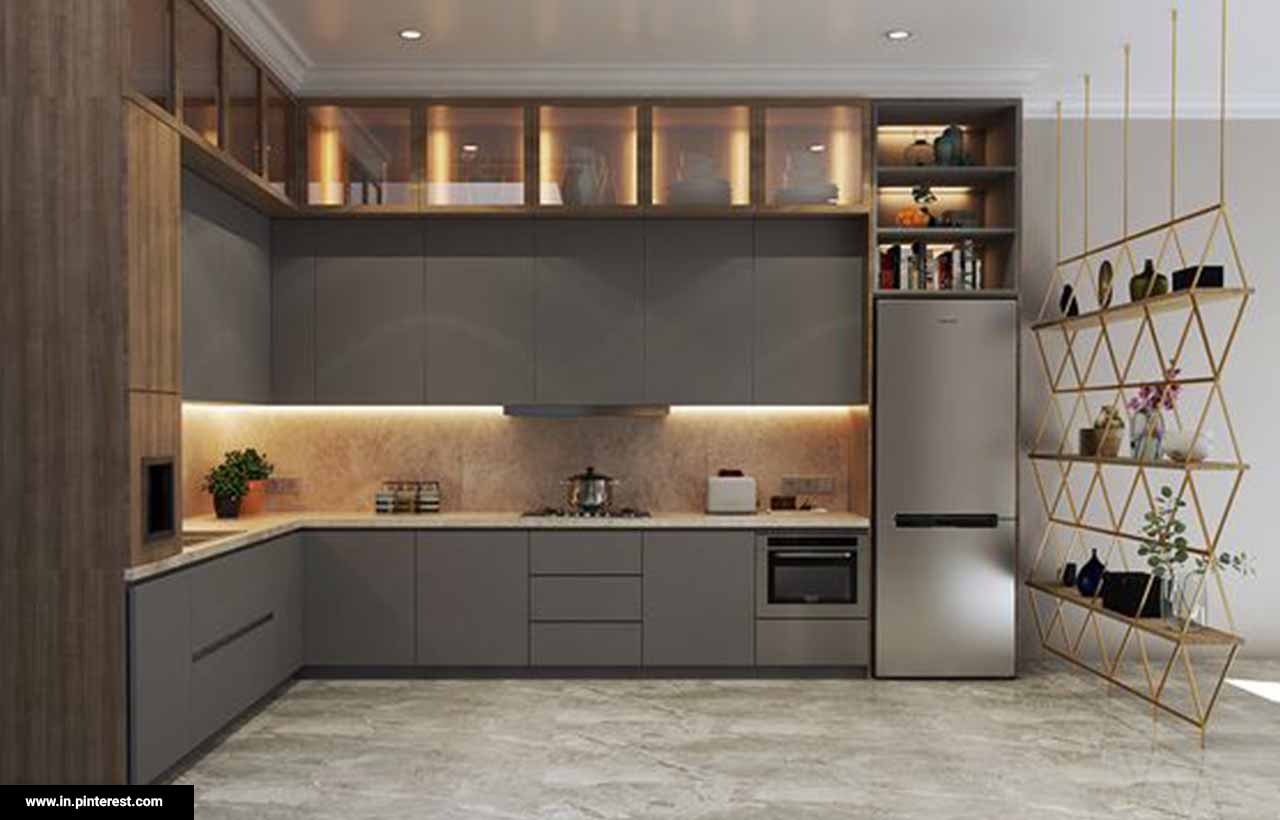
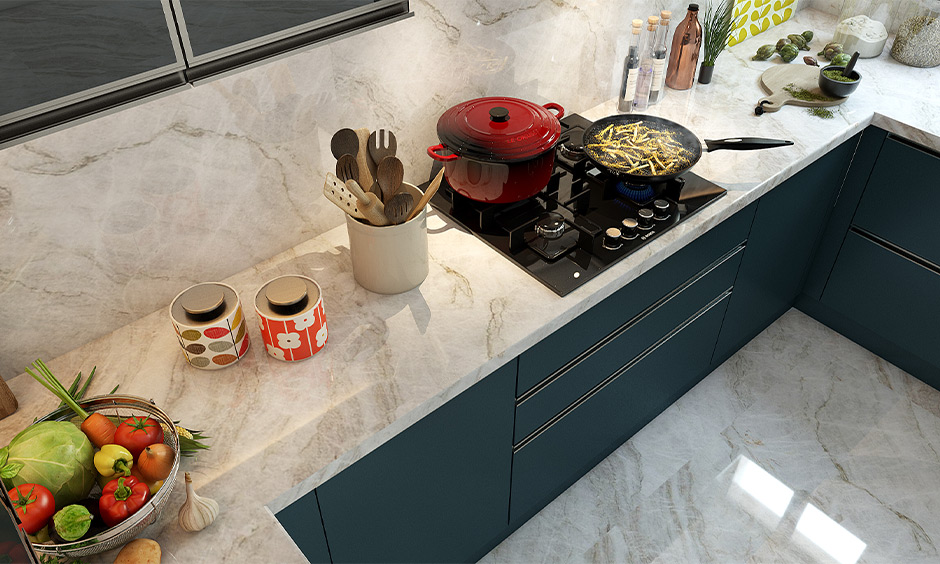
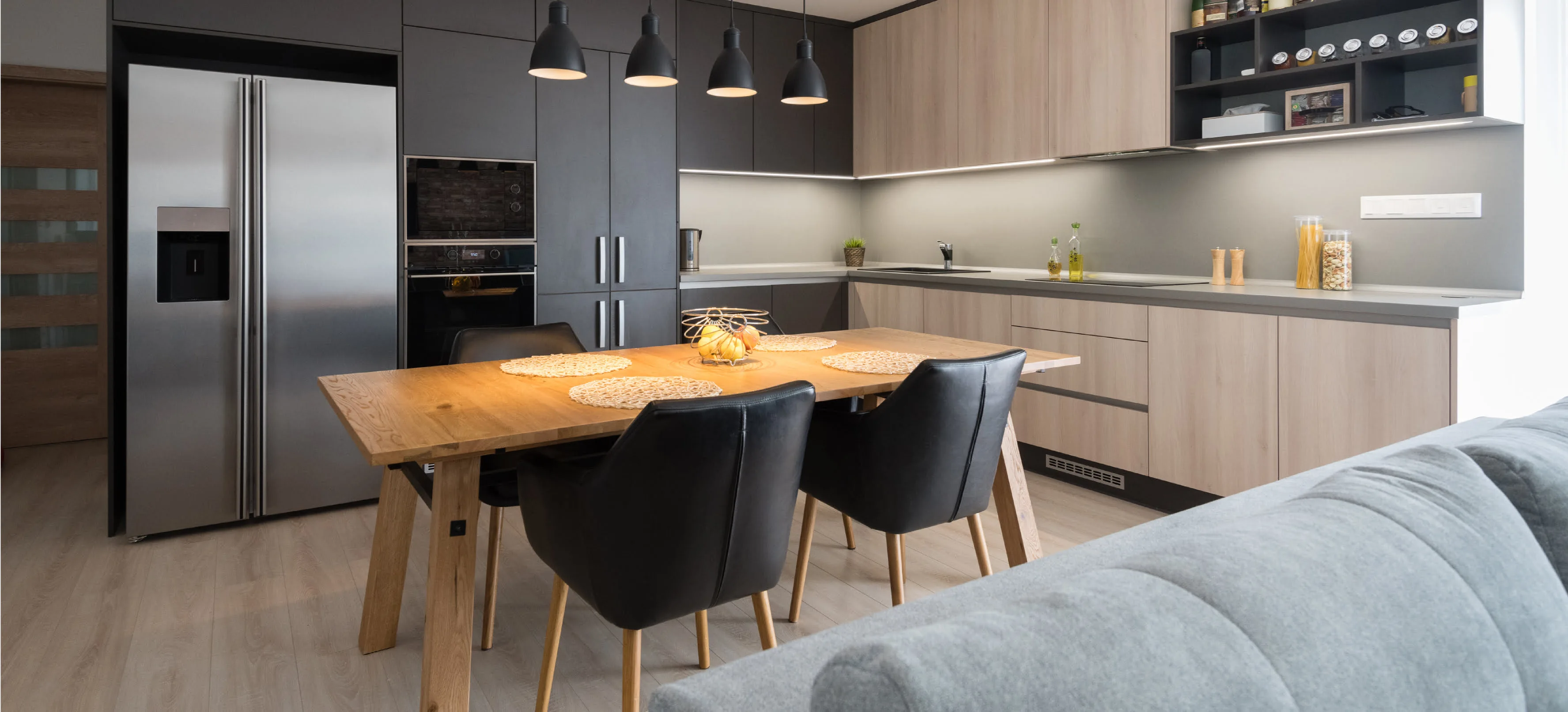
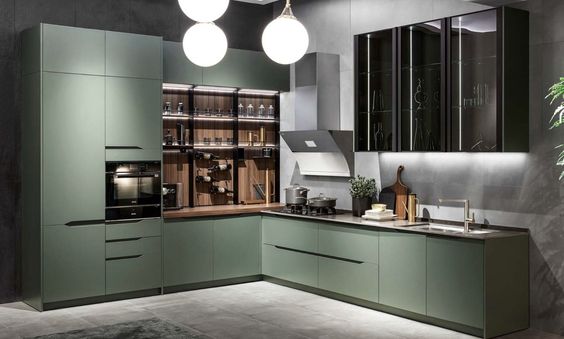
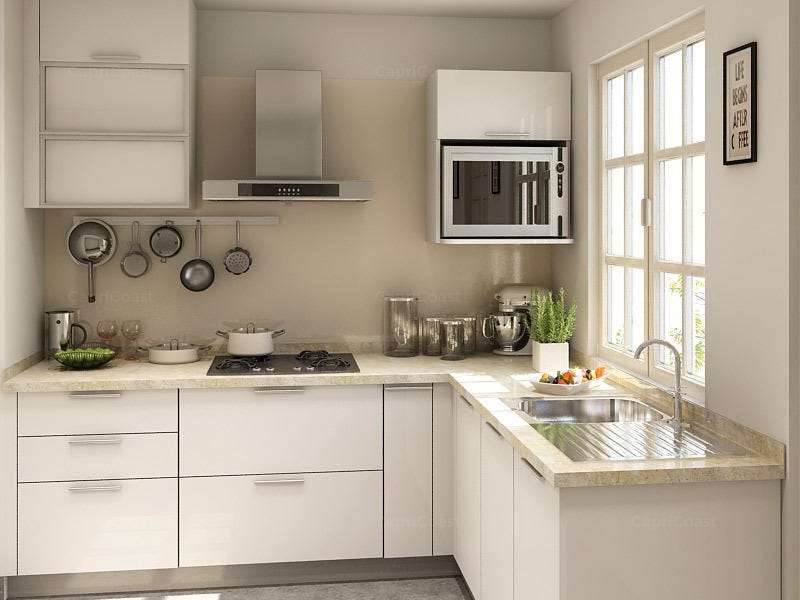
When we think about home renovations, our eyes typically gravitate towards the floor tiles, the velvet upholstery of a settee, or the sleek end of a Modular Kitchen Design. We rarely look up. However, the "fifth wall" of your room, the ceiling, holds the secret to reworking a standard living area into a high-end sanctuary. Integrating a wooden false ceiling design is possibly the best manner to introduce immediate warmth, architectural depth, and a feel of luxury that plaster or paint honestly can not mirror.
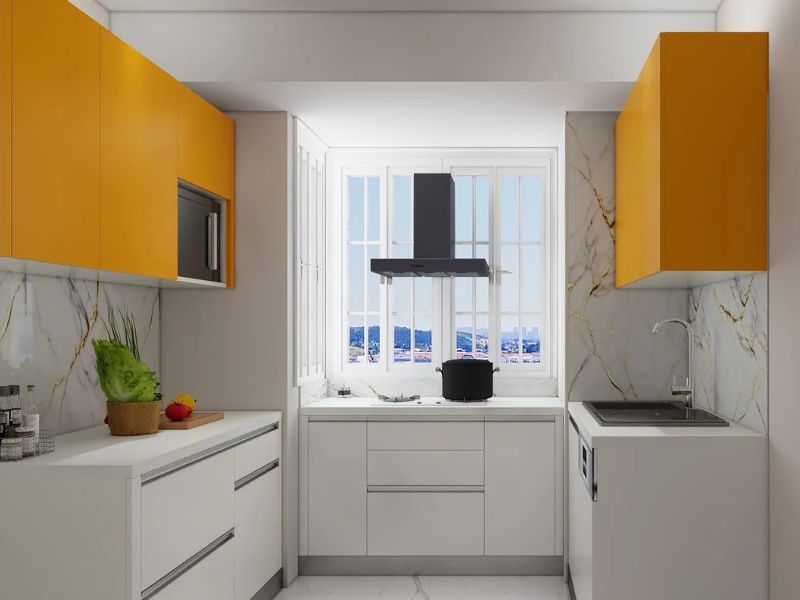
Whether you are aiming for a country farmhouse vibe or a sharp, minimalist aesthetic for a Modular Kitchen in Gurgaon, wood brings an organic texture that balances the coldness of stone and metal. In this manual, we’ll dive deep into why wood is the reigning king of overhead decor and how you could select the proper style for your home.
What Are Wooden False Ceilings?
A wooden false ceiling is basically a secondary ceiling suspended underneath your original structural slab. Think of it as a decorative skin that sits on a sturdy body, generally made of aluminium or galvanised iron. While the idea of a "dropped" ceiling often reminds people of sterile office grids, the usage of timber turns this useful element into a piece of art.
In modern Indian homes, those installations are used to define areas. For example, in an open-concept format, a modern wooden false ceiling design can visually separate the dining region from the lounge while not having a single physical wall.
What Are Wooden False Ceilings Made Of?
Not all wooden ceilings are carved from heavy wooden logs. Depending on your finances and the structural capability of your property, you can choose from diverse substances:
- Natural Wood: Premium planks of teak, oak, or walnut. It’s the maximum high priced but gives unmatched grain styles.
- Plywood & Veneer: A more stable and fee-effective choice wherein a skinny layer of real wood (veneer) is glued onto a plywood base.
- MDF & HDF: Engineered wood that is best for difficult CNC-cut styles or lattice work.
- WPC (Wood Plastic Composite): A lifesaver for kitchens and bathrooms, as it resists moisture and termites while looking precisely like timber.
Why Should You Install a Wooden False Ceiling Design?
1. Absorbs Sound
Hard surfaces like marble flooring and glass windows purposefully sound to dance, growing a disturbing echo. Wood is clearly porous. A wooden false ceiling acts as an acoustic buffer, absorbing ambient noise and making your living room or media room sense lots quieter and more intimate.
2. Saves Energy
Wood is a first-rate thermal insulator. It creates an air hole among the false ceiling and the actual roof, which traps heat. In the sizzling summers of North India, this means your air conditioner doesn't have to work nearly as hard to cool the room.
3. Provides Strength
Modern installation strategies make sure that those systems are surprisingly long-lasting. They can without difficulty aid heavy decorative chandeliers, recessed spotlights, and even concealed air conditioning vents without sagging over time.
4. Easily Installed and Removed
If you're worried about a messy creation, don't be. Most simple wooden ceiling design structures are modular. They are pre-completed in a workshop and assembled on-site, which means that much less dust in your home and a quicker turnaround time.
5. Comes in a Variety of Finishes
From a matte, raw "distressed" appearance to an excessive-gloss lacquer finish that mirrors your floor, the options are countless. You can stain wood to shape your existing furniture or cross for a contrasting dark ebony against white partitions.
6. Eco-Friendly
Wood is a renewable resource. By choosing sustainably sourced timber or first-rate veneers, you’re selecting a material that has a far lower carbon footprint than artificial PVC panels.
Disadvantages of a Wooden False Ceiling
No material is perfect, and wood comes with its own set of rules:
- Ceiling Height Reduction: You will lose at least 5 to 8 inches of vertical space. If your ceilings are already low, a full-cover wood design might make the room feel claustrophobic.
- Cost of Material: High-quality wood is an investment. It’s significantly pricier than POP (Plaster of Paris) or Gypsum.
- Vulnerability in Humid Places: If your kitchen doesn't have a high-suction chimney or if your bathroom is poorly ventilated, untreated wood can warp or grow mould.
- Maintenance: While durable, wood needs a polish or a termite-resistance check every few years to keep it looking brand new.
Why Choose a Wooden False Ceiling Over Other Types?
While POP is versatile, it lacks "soul." A modern wooden false ceiling design brings a premium, tactile quality to a room. It feels grounded and expensive. Unlike gypsum, which can crack over time due to structural vibrations, wood has a bit of natural flex. Moreover, wood ages gracefully; a bit of wear often adds character to a wooden beam, whereas a stain on a white POP ceiling just looks like a leak.
Best Wooden Ceiling Designs for Your Home
1: A Simple Wooden False Ceiling
Sometimes, less is more. A flat, polished veneer surface with thin grooves (rebates) can make a small room look incredibly sophisticated without overwhelming the senses.
2: A Luxurious Wooden Ceiling That Spells Metal Magic
Pairing dark walnut wood with gold or brass T-profiles creates a "Millionaire’s Row" look. This is perfect for formal dining rooms where you want to impress guests.
3: A Contemporary Wooden False Ceiling Design
Think asymmetrical shapes and hidden LED strips. A contemporary design often uses "islands" of wood that seem to float in the centre of the room, surrounded by a halo of soft light.
4: A Simple Wooden Ceiling With Layered Lighting
By using different levels of wood, you can create "coves." Tucking warm yellow LED strips into these coves provides a soft, indirect glow that is much more relaxing than harsh overhead bulbs.
5: A Dimension-Adding Wooden Ceiling Design
Using "slats" or wooden fins running across the ceiling can make a narrow room appear much wider. It’s a favourite trick used by interior designers in modern apartments.
6: A Wooden Ceiling With an MDF Lattice
For those who love a touch of tradition, a CNC-cut Jaali pattern backed by a backlit acrylic sheet creates a stunning focal point. It’s like having a glowing piece of art on your ceiling.
7: A Modern Ceiling With Wooden Rafters
Parallel wooden beams (rafters) are timeless. They give a "loft" or "penthouse" feel to the space and work exceptionally well when paired with industrial-style hanging lights.
8: A Traditional Wooden False Ceiling Design
Inspired by old havelis, this involves heavy perimeter borders and rich, dark polishes like Mahogany or Teak. It’s a bold choice that works best with antique furniture.
9: A Coffered Wooden False Ceiling
A "coffer" is a series of sunken panels in the shape of a square or rectangle. This adds massive architectural weight and is often seen in high-end libraries or executive home offices.
10: A Textured Wooden False Ceiling Design
Using reclaimed wood or "distressed" finishes gives your ceiling a 3D texture. It’s perfect for a cosy bedroom where you want a rustic, cabin-in-the-woods vibe.
How Novella Kitchens Can Help You?
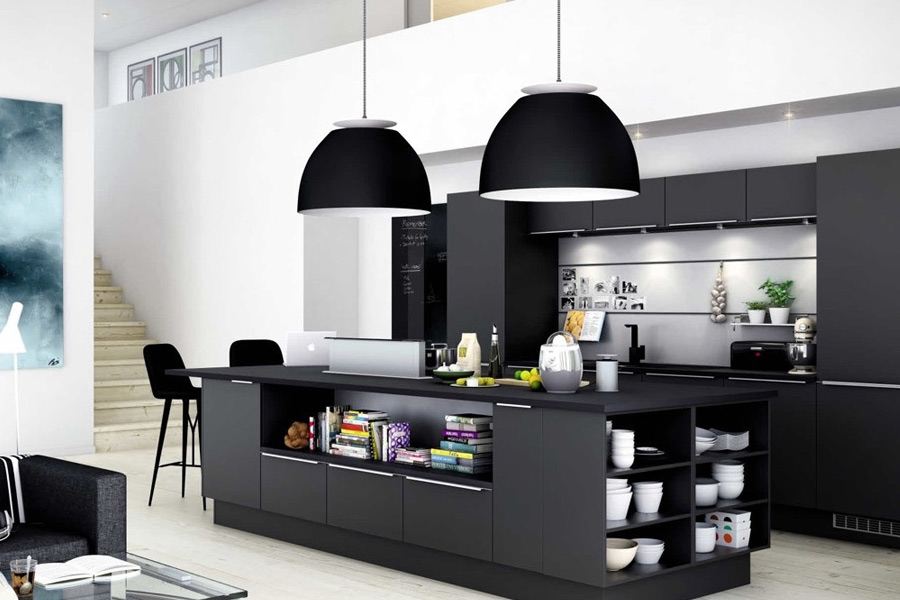
At Novella Kitchens, we believe that a kitchen shouldn't just be functional; it should be the heart of the home. When we design a Modular Kitchen Design, we look at the space holistically. A beautiful island or a breakfast counter feels incomplete without a matching wooden false ceiling design to frame it.
Our team specialises in integrating these ceiling elements with your cabinetry. We ensure that the wood used in your ceiling perfectly complements the shutters of your kitchen, creating a seamless, high-end look. Whether it’s choosing the right moisture-resistant materials or planning the perfect lighting layout, we take the stress out of the renovation.
Find the Best Interior Designers for Custom Designs
If you are looking for a Modular Kitchen in Gurgaon, you know that space is a premium and style is a necessity. Our Gurgaon studio is equipped to handle end-to-end interiors, ensuring that your ceiling, walls, and modular units speak the same design language. We bring global trends to your doorstep, tailored to the Indian climate and lifestyle.
Conclusion
Choosing the right wooden false ceiling design is about more than simply aesthetics; it’s about growing an environment. It’s the difference between a house that looks like a container and a home that looks like a curated retreat. From the acoustic benefits to the sheer visible impact, wood remains the most flexible fabric for a present-day indoor space.
Ready to look up and notice something stunning? Whether you want a simple wooden ceiling design in your study or a grand modern wooden false ceiling design for your living room, the proper knowledge makes all of the difference. Let’s construct an area that, without a doubt, reflects who you are.
FAQs
1. What are the latest wooden false ceiling designs for modern homes?
Popular wooden false ceiling designs for modern homes include wooden slat ceilings, geometric patterns, veneer panels, decorative beams, coffered ceilings, and wooden ceilings with concealed LED lighting. These designs add warmth, texture, and visual depth while complementing contemporary living rooms, bedrooms, and dining spaces.
2. Which wooden false ceiling design is best for a small living room?
A simple wooden slat ceiling or a minimal wooden panel design is suitable for a small living room. Light wood finishes, clean lines, and concealed LED lighting can create an open and spacious appearance. Avoid heavy patterns and bulky ceiling structures that make the room feel smaller.
3. Is a wooden false ceiling suitable for Indian weather?
Yes, wooden false ceilings can work in Indian homes when the right materials and installation methods are selected. Moisture-resistant boards, quality laminates, treated wood, and proper ventilation help improve durability. In humid areas, moisture protection and regular inspections are particularly important to prevent warping and fungal growth.
4. Which material is best for a wooden false ceiling?
The best material depends on the design, budget, and environmental conditions. Plywood with decorative veneer or laminate, engineered wood panels, and moisture-resistant boards are common options. Natural wood offers an authentic appearance, while laminates and veneers provide different finishes with varying maintenance requirements.
5. What are the disadvantages of wooden false ceilings?
Wooden false ceilings can be more expensive than some conventional ceiling options. They may also require regular maintenance and can be affected by moisture, termites, or temperature changes if unsuitable materials are used. Proper treatment, ventilation, and professional installation help reduce these risks.
6. How much height does a wooden false ceiling require?
A wooden false ceiling generally requires around 4–8 inches of ceiling space, depending on the design, supporting framework, lighting, and electrical requirements. More complex designs may need additional clearance. Before installation, measure the available ceiling height to ensure the finished room remains comfortable and functional.
7. How do you maintain a wooden false ceiling?
Maintain a wooden false ceiling by regularly removing dust with a soft microfiber cloth or vacuum brush. Avoid excessive water and harsh cleaning chemicals. Check periodically for moisture stains, loose panels, termite activity, or surface damage. Maintaining proper ventilation also helps preserve the ceiling's appearance and durability.
8. Can wooden false ceiling designs be combined with LED lighting?
Yes, wooden false ceiling designs can be combined with LED strip lights, recessed spotlights, and concealed cove lighting. Warm white lighting complements natural wood finishes and creates a comfortable atmosphere. Proper electrical planning and suitable heat management are important for achieving safe, functional, and attractive ceiling illumination.