Are Handleless Kitchens Practical for Indian Homes?
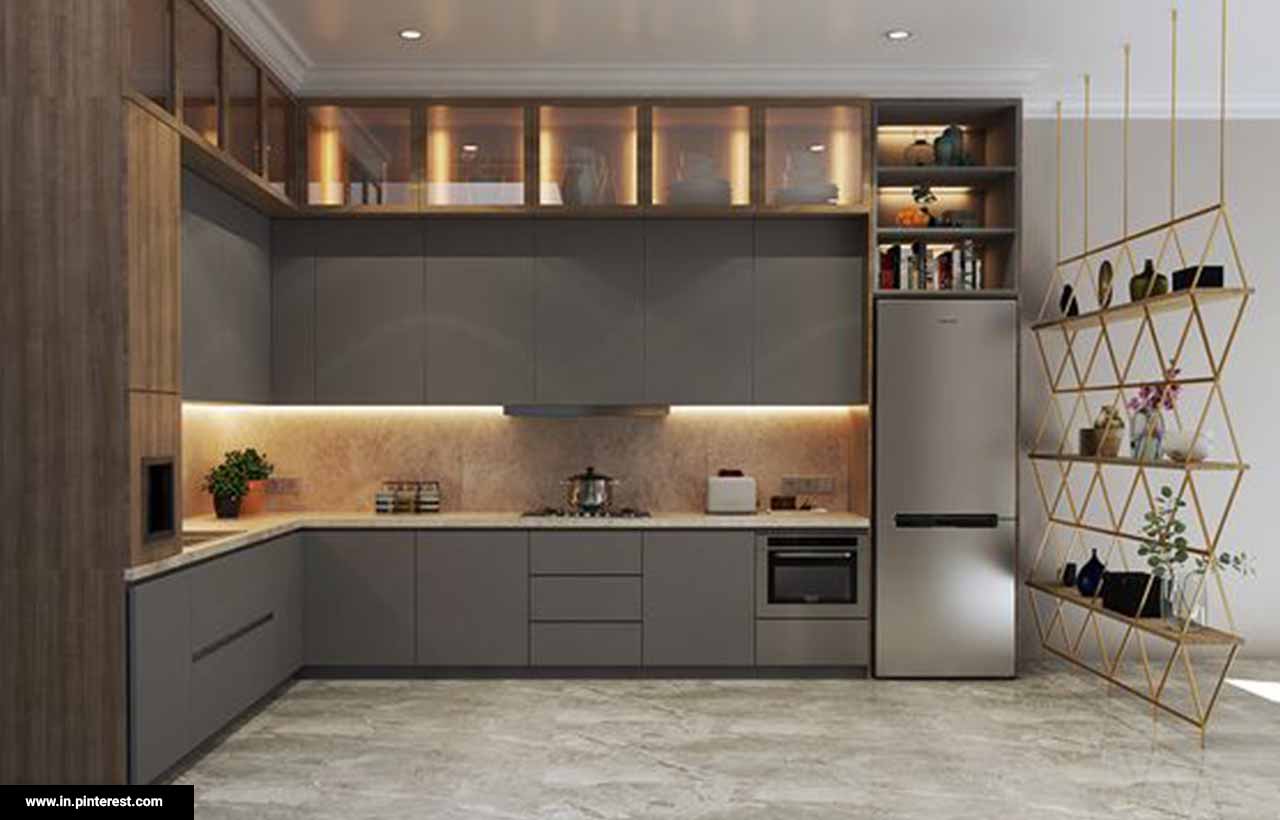
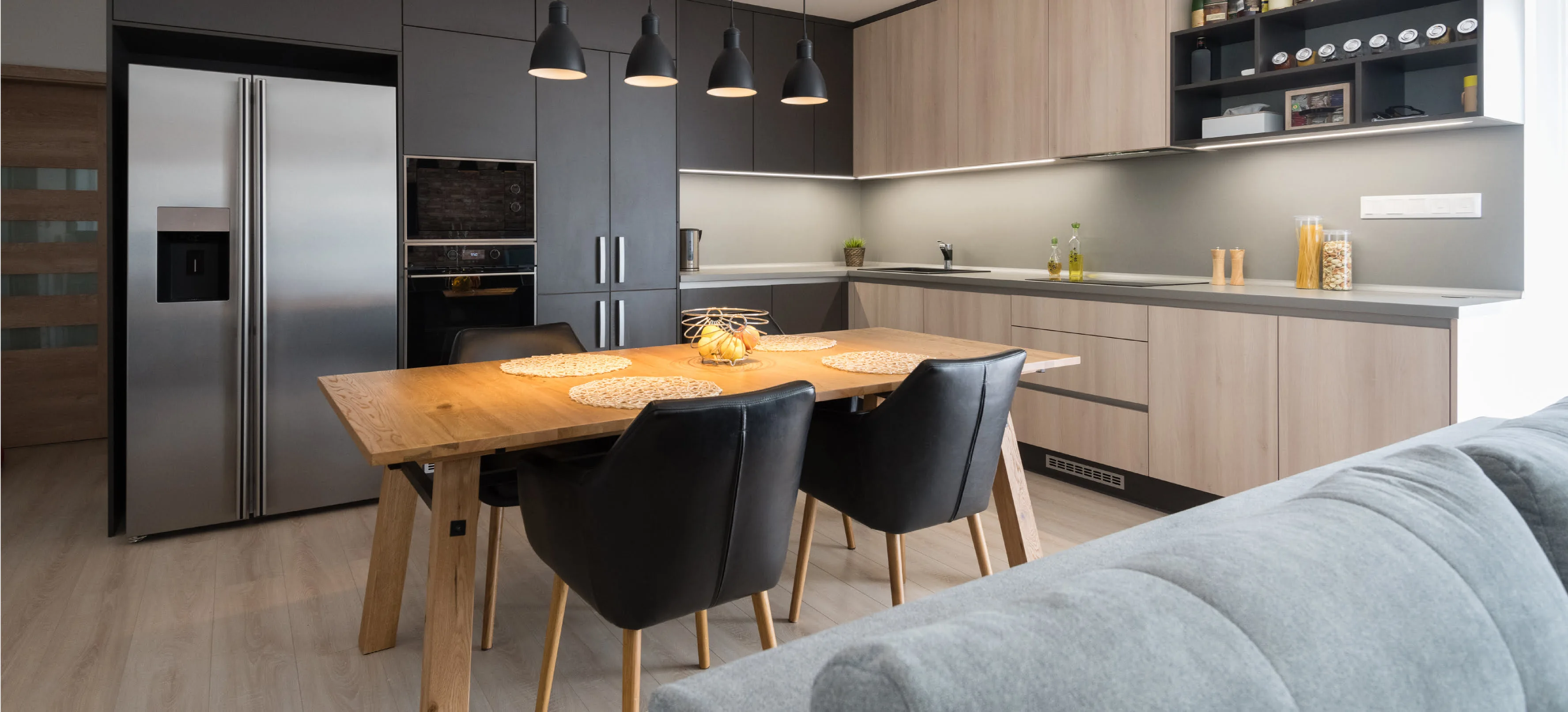
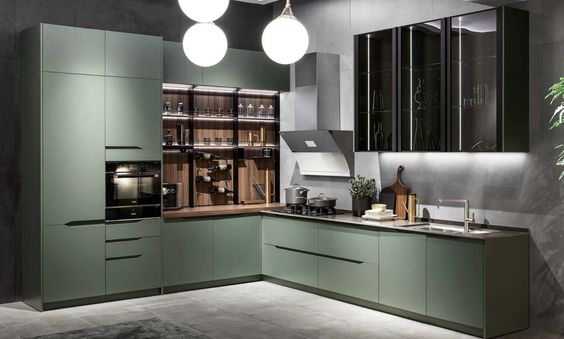
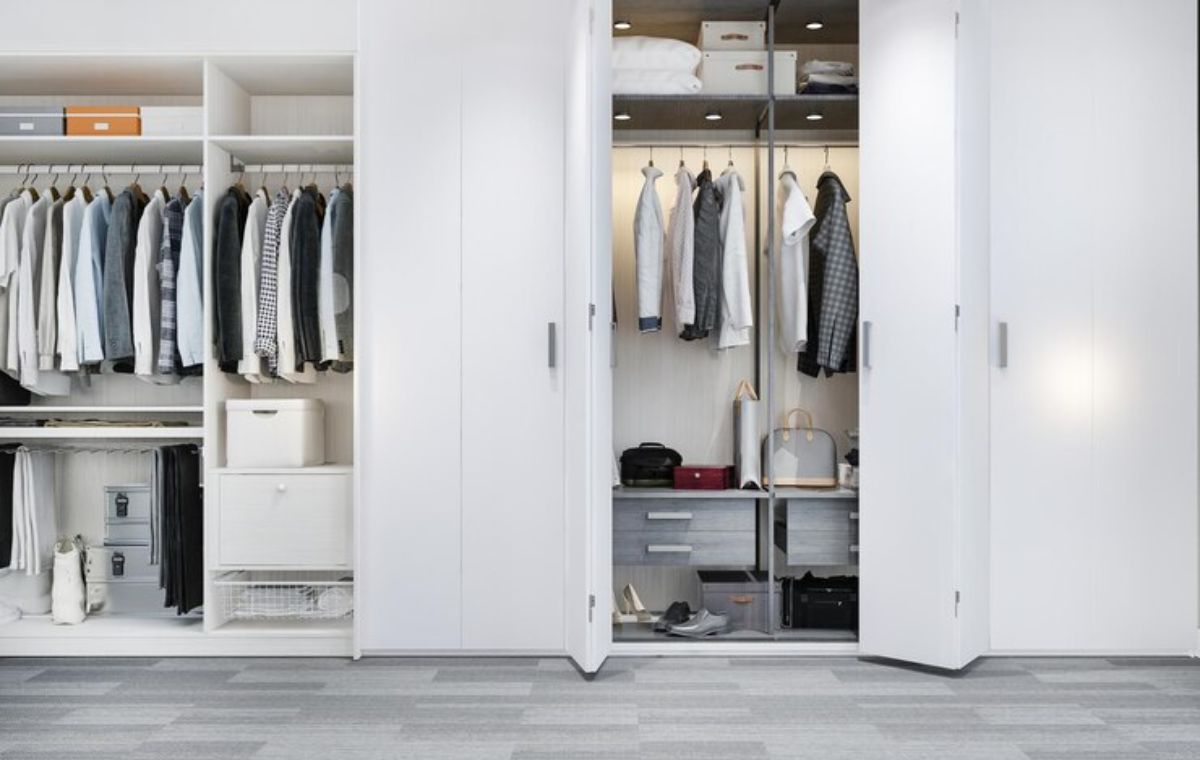
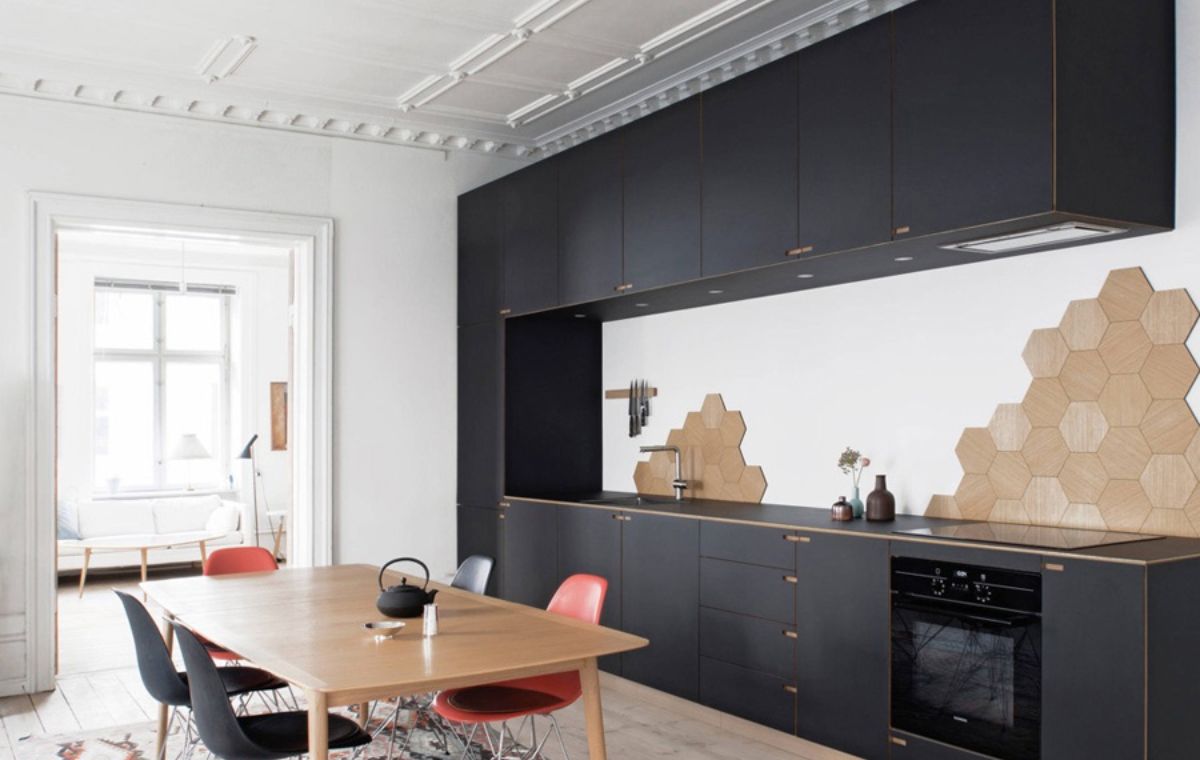
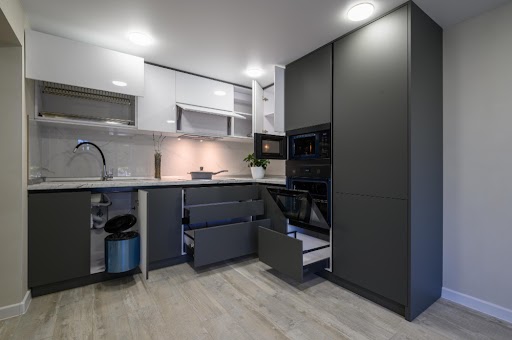
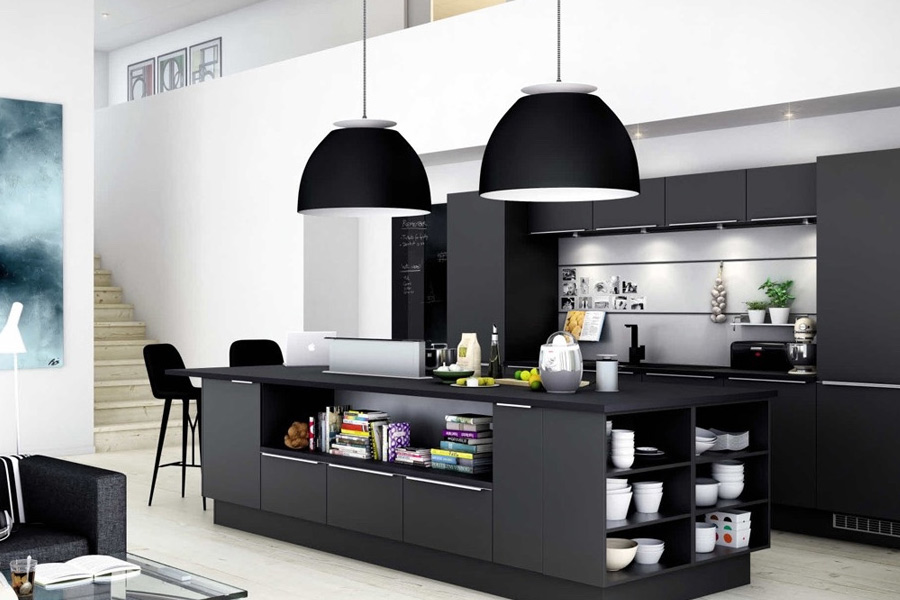
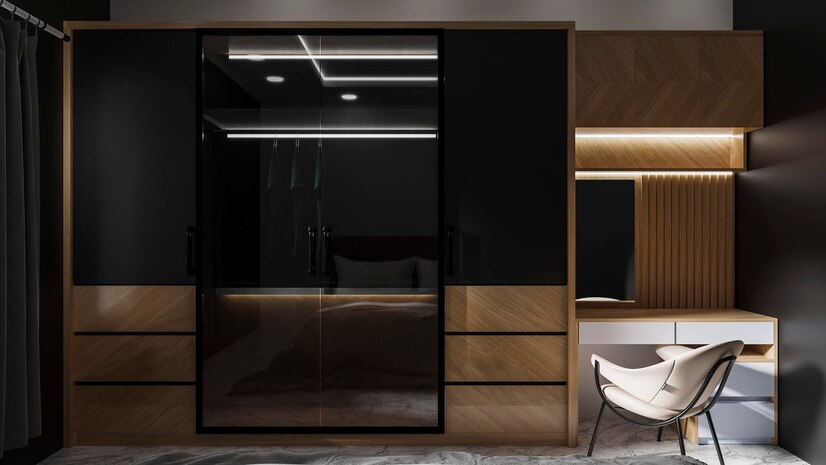
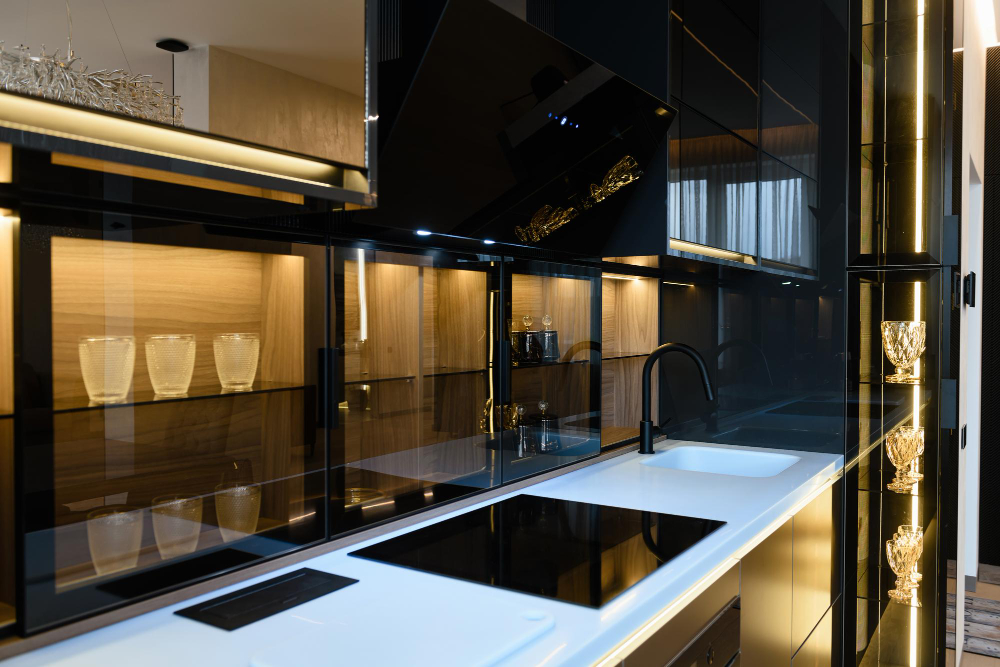
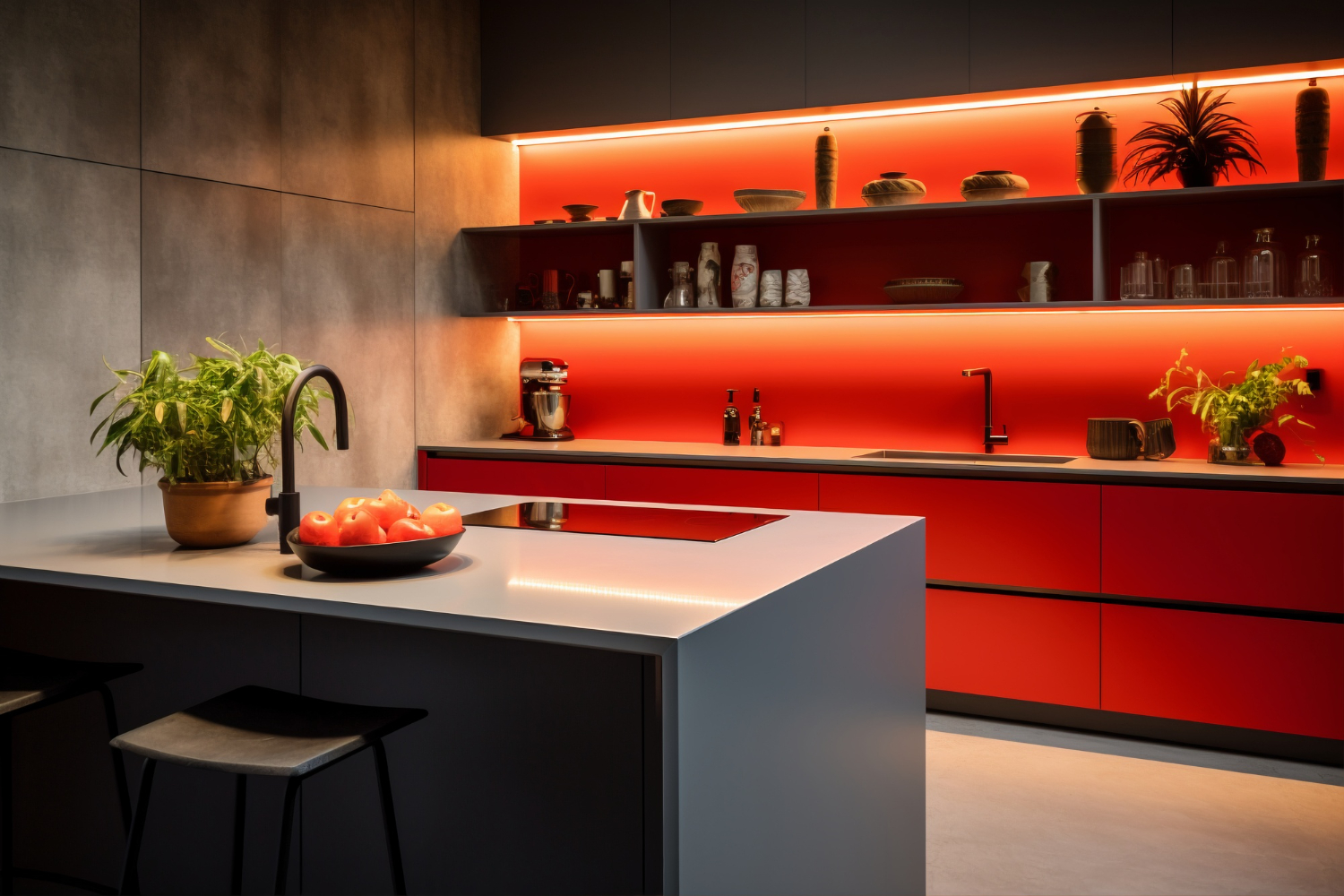
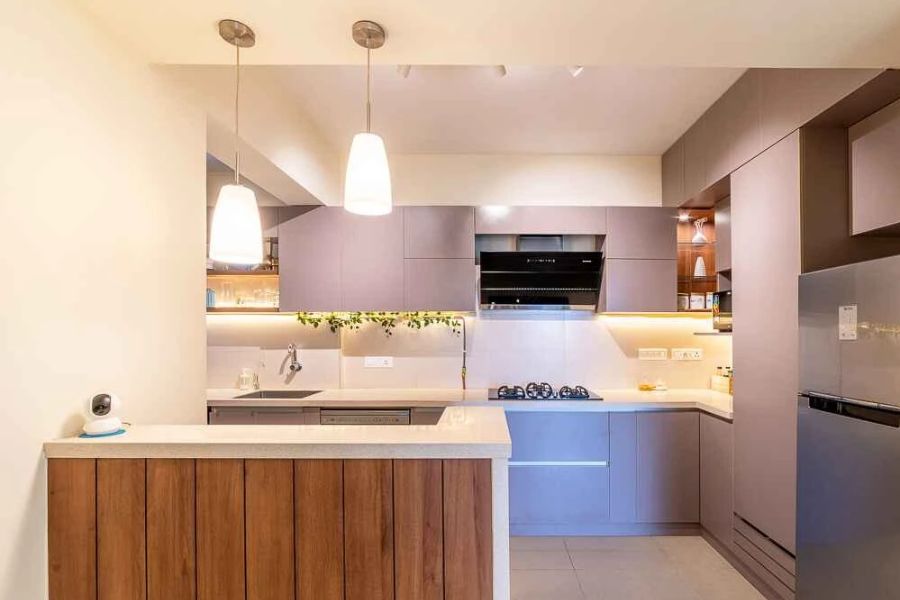
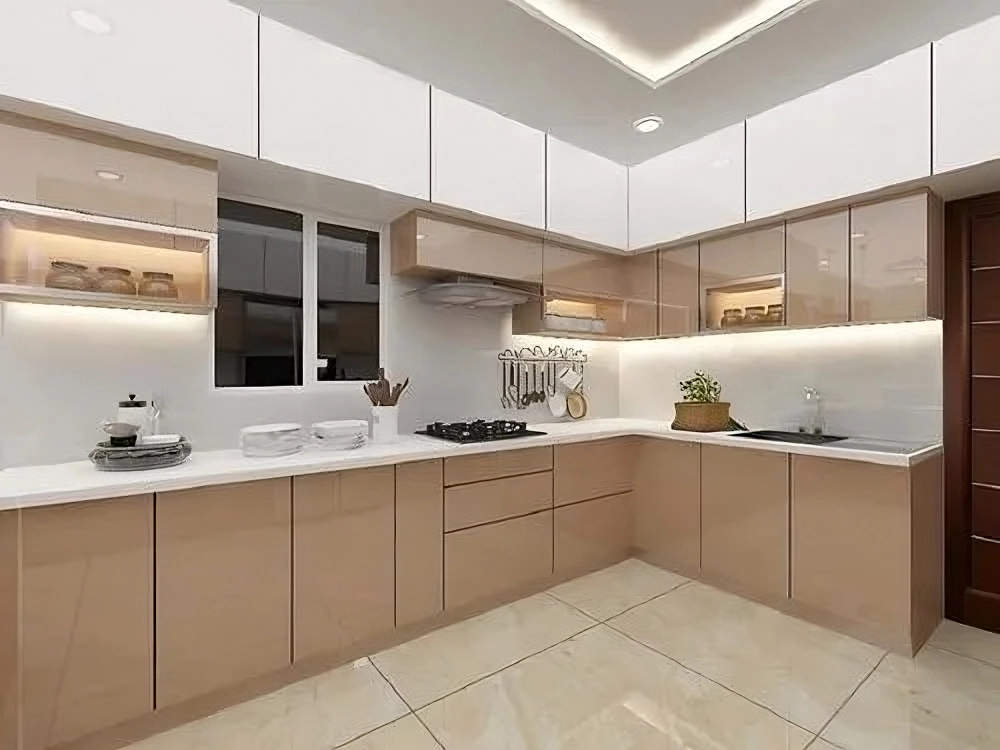
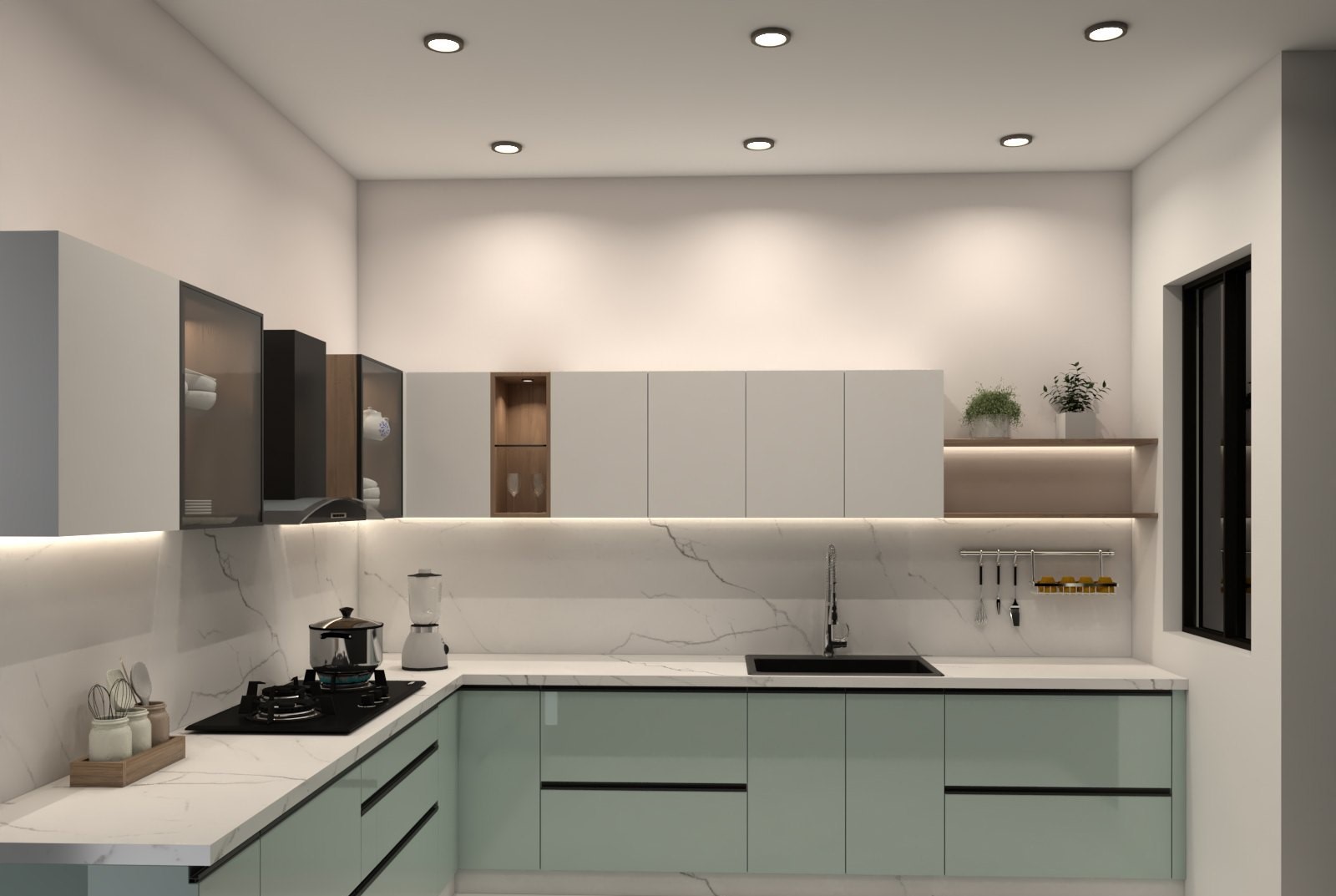
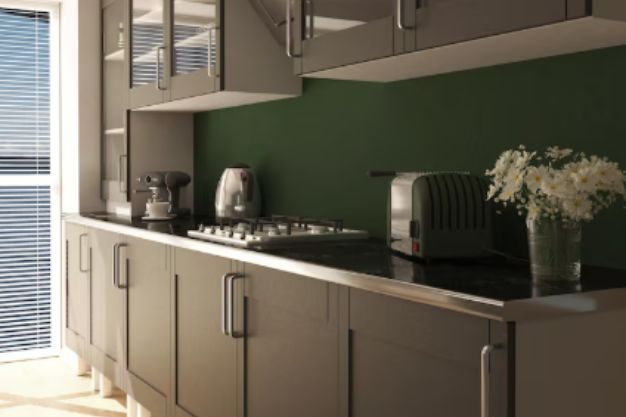
Walk into any modern showroom kitchen today, and chances are you won't see a single handle. No knobs, no pulls, no visible grip, just clean, uninterrupted panels that open with a gentle push. This handleless look has become one of the most requested styles in modular kitchen design, and for good reason: it's sleek, it's minimal, and it photographs beautifully.
But practicality is a different question altogether. Push-to-open cabinets rely on mechanical hardware hidden inside the cabinet, and like any mechanism, that hardware has to perform, day after day, in the middle of a working Indian kitchen. That means steam, oil splatters, masala dust, and frequent slamming from busy hands.
So are handleless kitchens actually practical, or do they look better in photos than they work in real life? Here's a straightforward breakdown of how push-to-open cabinets work, where they genuinely shine, where they fall short, and how to keep them running smoothly for years.
How Do Push-to-Open Cabinets Work?
Handleless doesn't mean there's no mechanism, it just means the mechanism is invisible. There are two common systems used in modular kitchens:
Push-to-open (touch-latch) systems
A spring-loaded latch sits inside the cabinet, behind the door or drawer front. When you push the door, the latch releases and springs the door open slightly, enough for you to grab the edge and pull it the rest of the way. Push it shut, and the latch catches again.
Profile or gola handles
Instead of a latch mechanism, the cabinet panel has a recessed channel (usually aluminium) running along the top or side edge. You hook your fingers into the groove to pull the door open — no spring mechanism involved, just a design trick that removes the need for a protruding handle.
Many modular kitchens combine the two: push-to-open latches on overhead cabinets and tall units, and profile handles on base cabinets and drawers where they're easier to reach.
Almost all push-to-open systems are paired with soft-close dampers, hydraulic or pneumatic cylinders that slow the door down in the last few inches so it closes gently instead of slamming. This combination, push to open, soft to close, is what gives handleless kitchens their smooth, quiet feel.
The reliable hardware in this category, Blum, Hettich, Hafele, and a handful of Indian manufacturers, all follow this same basic principle, though build quality and spring durability vary quite a bit between budget and premium ranges.
Are Handleless Kitchens Practical? The Pros
- A genuinely seamless look is the main draw, and it delivers. Flat, unbroken panel lines make even a compact kitchen look larger and more polished. If your kitchen is part of an open-plan living area, handleless cabinetry blends into the overall home design instead of visually competing with it.
- Easier to keep clean — in one specific way, no handles means no handle grooves, no gaps where oily fingerprints and dust collect. Wiping down a flat panel is quicker than cleaning around hardware.
- Safer around moving households: No protruding handles means fewer snagged sleeves, no sharp edges at hip or head height, and one less thing for a running toddler to catch a fall on. This is a genuine, underrated advantage in Indian homes where kitchens are rarely used by just one person.
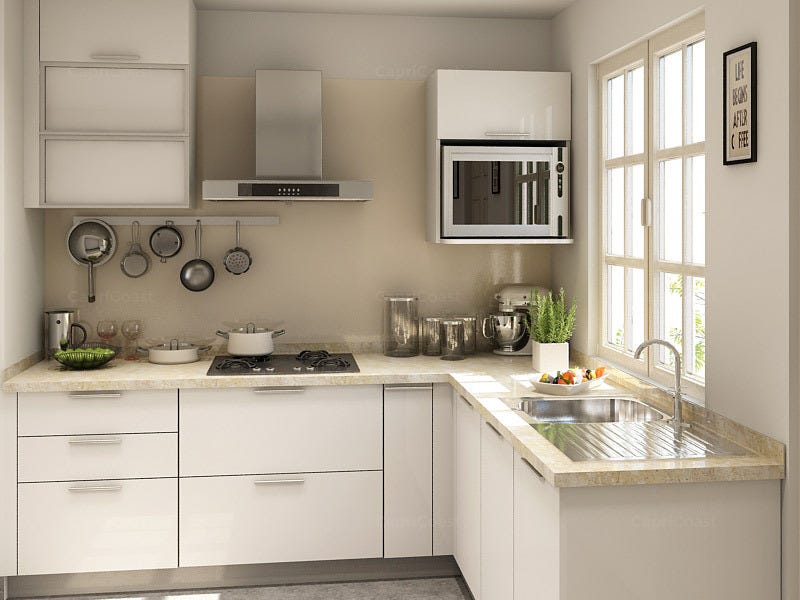
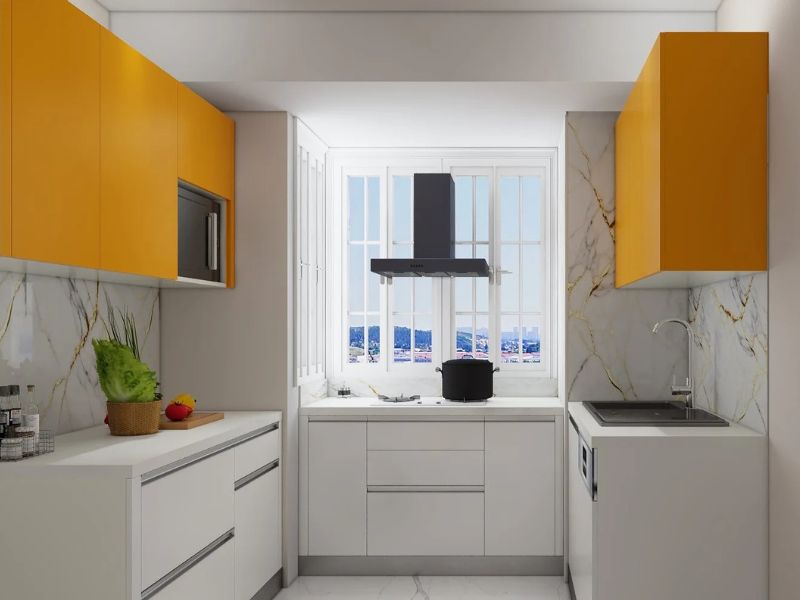
- More usable space in tight layouts: In galley or narrow kitchens, handles can eat into walking clearance by a couple of centimetres, enough to matter when two people are trying to move around each other. Flat panels reclaim that space.
What Are the Disadvantages of Push-to-Open Cabinets?
- Higher upfront cost: Push-to-open hardware and profile-handle channels cost more than standard handles, sometimes significantly more for premium European brands. This adds up across a full kitchen's worth of cabinets.
- Mechanical wear over time: Springs and latches are mechanical parts, and mechanical parts degrade with repeated use. A cabinet opened 15–20 times a day will show wear on its latch mechanism faster than one opened occasionally. Over 5–7 years, some units may need the latch replaced.
- Needs a firmer, more deliberate push. Push-to-open requires a proper push, not a light touch — this can be mildly frustrating for elderly family members, or when your hands are wet or full while cooking.
- Installation precision matters more. A handle can tolerate small misalignments. A push-to-open door can't — if the cabinet frame is even slightly out of alignment, the latch may not catch properly, causing doors to spring open on their own or fail to close flush. This puts more weight on the quality of your kitchen installer, not just the hardware brand.
- Repairs are less DIY-friendly. Swapping a broken handle is a five-minute job with a screwdriver. Replacing a push-to-open latch or realigning a soft-close damper usually needs a technician, since the mechanism is recessed and the tolerances are tight.
Also Read: Why Handleless Kitchens Are Gurgaon’s Top 2026 Luxury Trend
Do Push-to-Open Cabinets Work Well in Indian Kitchens With Heavy Cooking Oil?
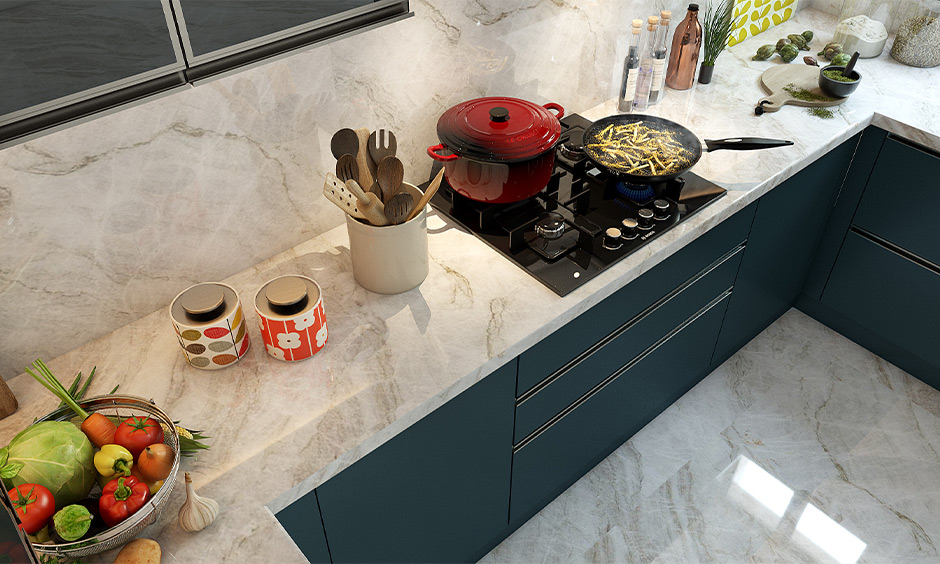
This is where a lot of handleless kitchens get tested. Indian cooking — daily tempering, deep frying, masala grinding — puts more oil and airborne grease into a kitchen than most Western cooking styles that this hardware was originally designed around.
That oil doesn't stay on the countertop. Over months, a fine film settles on cabinet fronts, especially those closest to the hob, and works its way into the gap around the door edge — right where the push-latch mechanism sits.
Why this matters specifically for the mechanism: the latch relies on a spring returning cleanly to its resting position. A build-up of sticky residue around the latch housing adds resistance, making the spring work harder each time. Over months, this can mean the door doesn't pop open on the first push, or doesn't click shut cleanly on the last one.
Signs the mechanism is struggling:
- The door needs a noticeably harder push to release than it used to
- The door doesn't click into place fully and can be nudged open by hand
- A faint grinding or sticking sound when opening or closing
- The soft-close action feels jerky instead of smooth in the last inch
None of this means push-to-open is a bad fit for Indian kitchens — it means the cabinets closest to the hob need a slightly different maintenance rhythm than the ones on the other side of the room.
How Do You Maintain Push-to-Open Cabinets?
A simple weekly routine near the cooking zone Wipe down cabinet fronts within a meter of the hob at least once a week, more often if you cook daily with a lot of oil. A microfiber cloth with a mild degreasing solution works better than water alone, which tends to spread the oil film rather than lift it.
Choose your cleaning agents carefully Avoid strong solvent-based degreasers directly on or near the latch housing — some can break down the plastic components in cheaper hardware over time. A diluted dish soap solution is usually enough for regular upkeep; save stronger cleaners for occasional deep cleaning, applied with a cloth rather than sprayed directly into the cabinet gap.
What you can fix yourself
- Loose latch plate: usually just needs the mounting screws tightened
- Sticky latch: a small amount of silicone-based lubricant (not oil-based) on the latch mechanism, applied sparingly, often restores smooth action
- Slight door misalignment: most cabinet hinges have adjustment screws that let you nudge the door back into place without calling anyone
When to call for professional servicing
- The door won't stay closed even after cleaning and lubrication
- The soft-close damper has stopped working (door slams instead of settling)
- Multiple cabinets are affected at once, which usually points to an installation-level issue rather than individual wear
As a general rule, having your kitchen installer do a hardware check-up once a year — tightening hinges, testing latches, topping up lubrication — will catch small issues before they turn into a full mechanism replacement.
A few preventive habits that help
- Position your chimney/hood so extraction is strongest directly over the hob, reducing how much oil drifts sideways onto nearby cabinets
- Avoid placing high-use push-to-open cabinets directly beside the hob if you have a choice in the layout stage
- Wipe hands dry before opening cabinets while cooking — a small habit that reduces grime transfer significantly over time
Is a Handleless Kitchen Right for Your Home?
A quick way to think about it:
- Cook daily with a lot of oil-based cooking? Handleless still works, but budget for slightly more frequent cleaning near the hob, and consider profile handles (no spring mechanism) for cabinets closest to the cooking zone.
- Elderly family members or young children using the kitchen often? Profile handles are generally easier for all age groups than push-latch mechanisms.
- Prioritizing resale value and a premium look? Handleless design consistently reads as more upscale and is a strong selling point in most markets.
- Working with a tighter budget? A hybrid approach — handleless on visible upper cabinets, standard handles on heavy-use base cabinets and drawers — gives you the aesthetic without paying the premium (or maintenance load) across the entire kitchen.
At Novella Kitchens, we often recommend exactly this kind of hybrid layout for Indian homes: the visual payoff of handleless design where it matters most, paired with hardware choices that hold up to real daily cooking, not just showroom conditions.
What to Look for When Choosing a Modular Kitchen Partner
Since so much of how well handleless cabinets perform comes down to installation precision and hardware quality rather than the concept itself, the partner you choose matters more here than in almost any other part of kitchen design. A few things worth checking before you sign off on a design:
- Hardware transparency: Ask specifically which brand and model of push-to-open or soft-close hardware is being quoted, not just "European hardware" as a vague line item. Reputable studios will name the brand without hesitation.
- Alignment tolerances during installation: Since push-to-open latches are unforgiving of misalignment, ask how the installer calibrates cabinet frames — this is usually a good indicator of overall installation quality.
- Post-installation service: A studio that offers an annual hardware check-up (tightening hinges, testing latches, lubrication) is signaling that they expect their kitchens to be used, not just photographed.
- Layout-specific hardware advice: A good designer will flag which cabinets near your hob are better suited to profile handles versus push-to-open, rather than applying one hardware choice uniformly across the kitchen.
This is the kind of detail-level thinking Novella Kitchens builds into every design conversation — matching hardware choices to how a household actually cooks, not just how the kitchen looks in a render.
Final Thoughts
Handleless kitchens with push-to-open hardware are absolutely practical — they're just not maintenance-free, and that's true of any hardware-driven design choice. The difference between a handleless kitchen that still looks and works great after five years and one that starts sticking after eighteen months usually comes down to two things: the quality of hardware installed, and how consistently the cabinets near the hob are cleaned.
If you're planning a modular kitchen and want a design that balances that sleek, seamless look with hardware that's genuinely built for Indian cooking conditions, our team at Novella Kitchens can walk you through the right hardware choices for your specific layout and cooking habits.
Ready to design a kitchen that looks as good in year five as it does on day one? Get in touch with Novella Kitchens for a consultation.
Frequently Asked Questions
1. Are push-to-open cabinets worth it in the long run?
Yes, for most households — provided the hardware quality is good and the cabinets near the hob get regular cleaning. Budget hardware with heavy daily use is where most complaints originate, not the concept itself.
2. Do handleless kitchens cost more to install?
Generally yes. Push-to-open latches and profile-handle channels cost more than standard handles, and the added installation precision required can add to labour costs as well.
3. Can I mix handleless and handled cabinets in the same kitchen?
Absolutely, and it's a common practical choice. Many homeowners use handleless fronts on visible upper cabinets and standard handles on heavy-use base cabinets or drawers near the hob.
4. How long does push-to-open hardware typically last before needing repair?
With good-quality hardware and regular light maintenance, 7–10 years is a reasonable expectation before a latch mechanism needs replacing, though heavy daily use can shorten this.
5. Are handleless kitchens harder to clean than kitchens with handles?
Not overall — flat panels are actually easier to wipe down since there are no handle grooves to trap grime. The one added task is slightly more frequent cleaning directly around the latch mechanism on cabinets closest to the cooking zone.