10 Stunning Hall Wall Colour Combinations to Elevate Your Indian Living Room
Quick Answer: The best hall wall colour combinations for Indian living rooms include teal and gold, terracotta and beige, sage green and cream, olive and ivory, and navy blue with off-white. Choose colours according to room size, natural lighting, furniture, flooring and the overall interior style.
Stepping into a freshly painted living room can feel like breathing new life into your entire home. The and help owalls — the backdrop to countless family moments and welcoming guests, play a pivotal role in setting the mood and reflecting your personal style. In Indian homes, where vibrant culture and rich traditions intertwine with modern aesthetics, choosing the right hall wall colour combination for living room spaces is one of the most impactful (and most postponed) design decisions homeowners make.
With so many hues, undertones, and finishes to consider, finding the ideal colour for hall room walls can feel overwhelming. Some combinations work beautifully in a sunlit south-facing hall but fall flat in a dimmer, north-facing one. Others pair well with wooden furniture but clash with marble flooring. To make the decision easier, we've curated 10 tried-and-tested living room colour combination ideas, each suited to different lighting conditions, furniture styles, and moods, so you can pick one with confidence instead of guesswork.
Which Hall Colour Combination Suits Your Living Room Best?
Some inspiring hall wall colour combination options that blend tradition with contemporary flair:
1. Tranquil Teal & Golden Accents
Imagine your hall bathed in the serene embrace of teal, like calm waters reflecting a clear sky. This hall wall colour combination whispers tranquillity, elevated by the subtle shimmer of golden accents – think sunbeams catching on antique frames or the delicate thread work of cushions. It's a pairing that marries peacefulness with a hint of regal charm, perfect for an Indian home seeking a sophisticated yet soothing welcome.
2. Earthy Terracotta & Warm Beige
Let your hall resonate with the soul of the earth. Terracotta walls, reminiscent of sun-baked clay, create a grounding warmth, beautifully balanced by the gentle embrace of warm beige. This hall wall colour combination evokes a sense of natural comfort and timeless appeal, like stepping into a sun-drenched courtyard. It's an invitation to relax and connect with the simple beauty of organic hues.
3. Vibrant Mustard & Muted Grey
Inject a spark of joy into your hall with the spirited dance of vibrant mustard against the composed backdrop of muted grey. This hall wall colour combination is a playful yet sophisticated statement, like sunshine breaking through a soft, cloudy sky. It's a pairing that energises without overwhelming, allowing your personality and vibrant décor to truly shine against a cool, contemporary canvas.
4. Royal Blue & Creamy White
Envelop your hall in an air of timeless grandeur with the majestic pairing of royal blue and creamy white. This hall wall colour combination speaks of deep tradition and serene elegance, like a starlit night against a soft, moonlit glow. It's a classic choice that exudes confidence and grace, creating a welcoming space that feels both grand and inviting.
Also read: Colour Combination for Living Room: 20+ Curated Styles for 2026
5. Refreshing Mint & Subtle Peach
Breathe life into your hall with the delicate freshness of mint and the soft blush of subtle peach. This hall wall colour combination is like a gentle spring breeze, light and invigorating. It creates an airy and welcoming atmosphere, perfect for a hall that feels like a breath of fresh air. It's a harmonious blend that soothes the senses and brightens the spirit.
6. Bold Indigo & Off-White
Make a captivating statement in your hall with the deep allure of bold indigo contrasted against the gentle embrace of off-white. This hall wall colour combination is a dramatic yet balanced interplay, like a deep twilight sky meeting a soft, hazy horizon. It adds a touch of mystery and sophistication, creating a space that is both intriguing and inviting.
7. Sunny Yellow & Crisp White
Flood your hall with the radiant energy of sunny yellow, meeting the clean embrace of crisp white. This hall wall colour combination is pure joy, like a bright summer morning. It creates a cheerful and optimistic atmosphere, instantly lifting the spirits and welcoming all who enter with warmth and light. It's a vibrant pairing that exudes happiness.
8. Sophisticated Charcoal & Silver Accents
Embrace modern elegance in your hall with the grounded sophistication of charcoal grey punctuated by the subtle shimmer of silver accents. This hall wall colour combination is chic and contemporary, like moonlight on a sleek, urban landscape. It exudes a sense of refined style and understated glamour, perfect for a hall that makes a subtle yet impactful statement.
Also read: 7 Simple False Ceiling Designs For Hall Transformation
9. Warm Coral & Sandy Beige
Infuse your hall with a vibrant yet comforting energy through the inviting blend of warm coral and sandy beige. This hall wall colour combination is like a sun-kissed shore, full of life and warmth. Coral adds a touch of playful vibrancy, while beige provides a soothing and grounding balance, creating a welcoming space that feels both lively and relaxed.
10. Elegant Lavender & Soft Grey
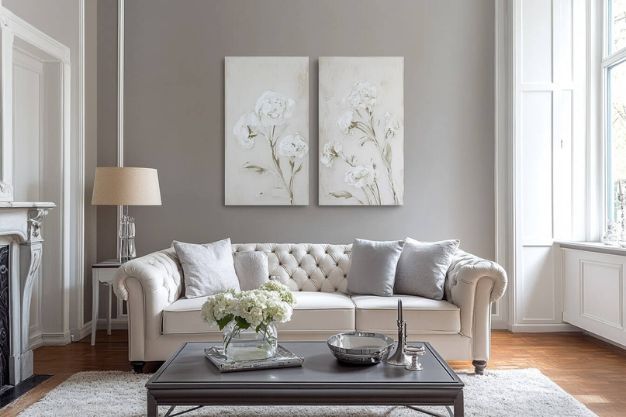
Create a serene and sophisticated sanctuary in your hall with the delicate charm of elegant lavender paired with the calming neutrality of soft grey. This hall wall colour combination is like a tranquil twilight, soothing and refined. It evokes a sense of peace and understated luxury, perfect for a hall that welcomes you with a gentle and elegant embrace.
Hall Wall Colour Combinations: Comparison Guide
|
Colour combination |
Best suited for |
Furniture pairing |
|---|---|---|
|
Teal + Gold |
Medium and large halls |
Walnut wood furniture, brass accents |
|
Terracotta + Beige |
Warm, welcoming interiors |
Wooden furniture, natural textures |
|
Sage + Cream |
Small and medium-sized halls |
Light oak furniture, cane accents |
|
Olive + Beige |
Natural and earthy interiors |
Rattan furniture, wooden finishes |
|
Navy + Off-white |
Formal and elegant living rooms |
Gold accents, dark wood furniture |
|
Charcoal + Silver |
Spacious, modern halls |
Glass furniture, metallic finishes |
|
Mint + Peach |
Compact, bright and cheerful halls |
Light wood furniture, neutral upholstery |
|
Greige + Charcoal |
Contemporary and minimalist interiors |
Walnut furniture, neutral fabrics |
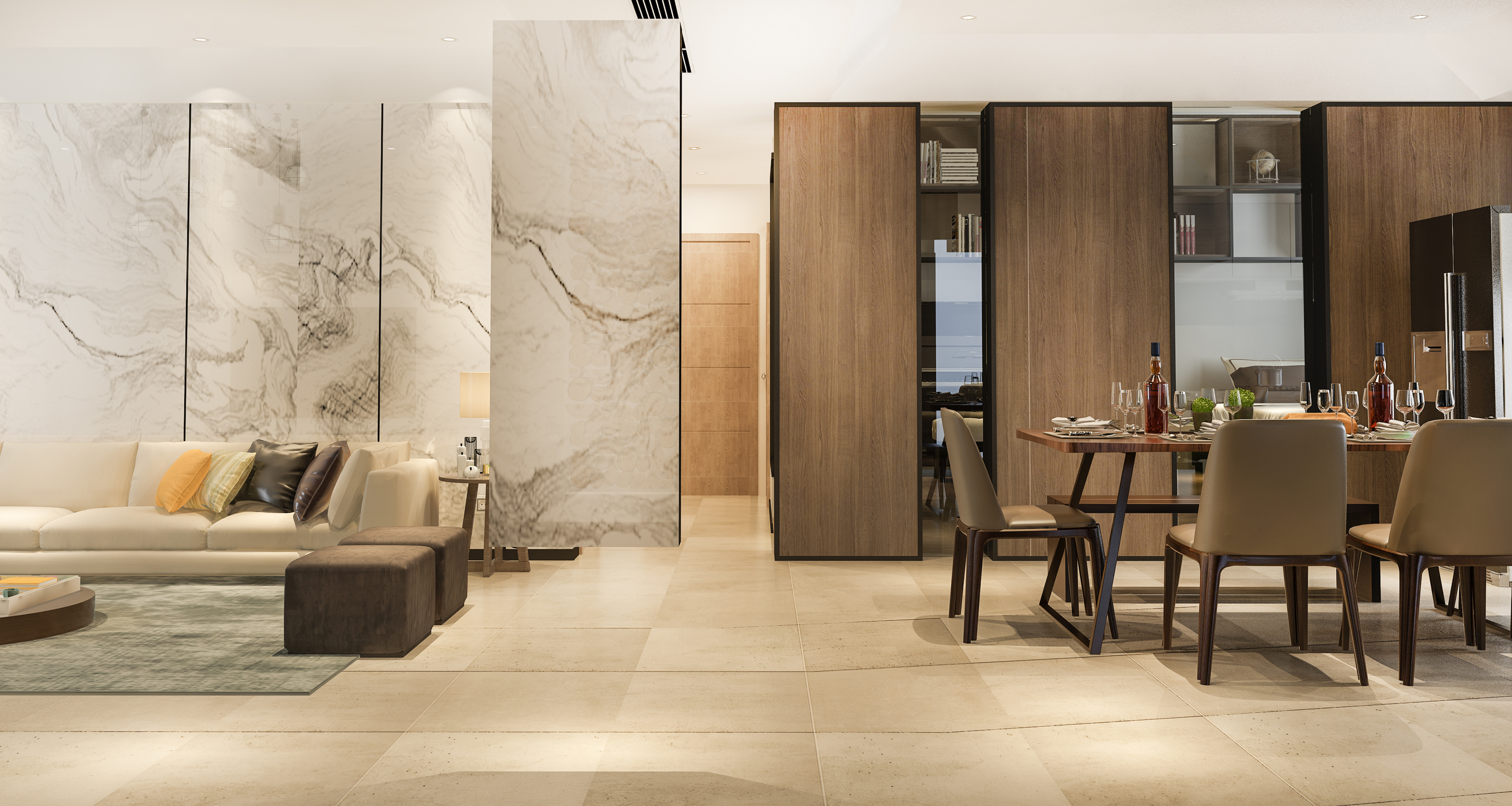
Choosing the right hall wall colour combination depends on your room size, natural lighting, furniture and overall interior style. Light shades such as sage and cream or mint and peach can make compact halls feel brighter, while deeper combinations like teal and gold or navy and off-white create a more dramatic look in spacious living rooms. Consider your existing furniture and flooring before finalising a colour scheme to create a balanced and cohesive interior.
How Do You Choose the Right Hall Colour Combination?
- Consider the amount of natural and artificial light your hall receives.
- Think about the existing colours of your furniture and decor to ensure harmony.
- Reflect on the mood and atmosphere you want to create in your hall.
- Don't hesitate to experiment with different paint finishes for added texture and visual interest.
- Always test paint samples on your walls before committing to a full paint job to see how the colours look in different lighting conditions.
- If your hall opens directly into other rooms, choose a colour for hall room walls that transitions well into adjoining spaces rather than creating a hard visual stop.
Conclusion
Selecting the right hall wall colour combination is one of the most defining choices in your living room's overall character. These 10 options offer a spectrum of styles to suit different lighting conditions, furniture tones, and personal taste, whether you're drawn to the calm sophistication of teal and gold or the bold statement of indigo and off-white.
As you finalise your colour for hall room walls, keep the bigger picture in mind: a well-chosen palette doesn't just transform one room, it sets the tone for how the rest of your home feels. And when it's time to bring that same thoughtfulness into your kitchen, Novella Kitchens' range of finishes can help you carry the story through, creating a home that feels intentional from the hall to the kitchen.
Frequently Asked Questions
1. Which colour is best for an Indian hall?
Warm white, beige, cream, sage green, terracotta, and light grey are popular choices for Indian halls. These shades create a welcoming atmosphere and complement different furniture styles, flooring materials, and interior themes. The ideal colour depends on room size, natural lighting, and personal preferences.
2. Which two-colour combination makes a small hall look bigger?
White and pastel blue, cream and light beige, or off-white and sage green can make a small hall feel more spacious. Lighter shades reflect natural light and create an open appearance. Using one lighter base colour with a subtle accent shade also adds visual depth without making the room feel crowded.
3. Which wall should be painted a dark colour in a living room?
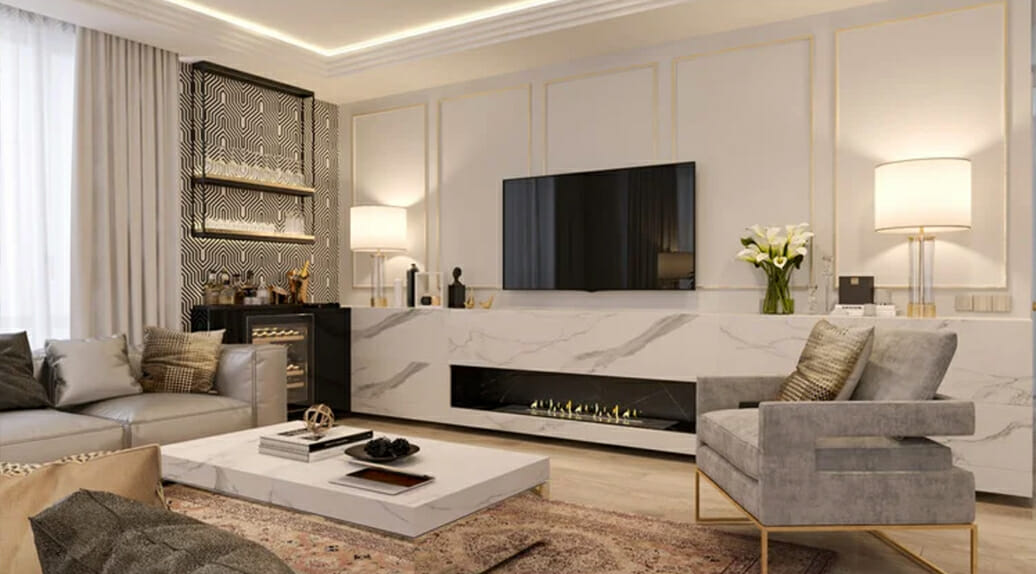
The main feature wall, usually behind the sofa or television unit, is a suitable choice for a darker colour. Shades such as navy blue, charcoal grey, deep teal, and olive green can create an attractive focal point. Keep the remaining walls lighter to maintain visual balance and prevent the room from feeling smaller.
4. What are the latest hall wall colour combinations in 2026?
Popular hall colour combinations for 2026 include sage green and cream, terracotta and beige, olive green and ivory, warm white and muted brown, and deep teal with gold accents. These combinations create balanced interiors by blending natural-inspired shades, warm neutrals, and contemporary accent colours.
5. Which hall colour combination looks luxurious?
Deep teal and gold, navy blue and ivory, charcoal grey and beige, and emerald green with warm white can create a luxurious hall interior. Pairing these colours with wooden furniture, metallic accents, textured wall finishes, and suitable lighting adds depth and sophistication to the living space.
6. Which colours go well with wooden furniture?
Beige, cream, warm white, sage green, terracotta, and muted grey complement wooden furniture beautifully. Light wood works well with soft neutrals and pastel shades, while dark walnut furniture pairs nicely with deep green, ivory, and warm beige. The right combination depends on the wood's undertone and the room's lighting.
7. Is a two-colour combination better than a single colour?
A two-colour combination offers more opportunities to create visual contrast, highlight architectural features, and define different areas of a living room. However, a single-colour scheme can create a calm and seamless appearance. The best option depends on room dimensions, interior style, furniture, and the desired atmosphere.
8. Which wall colours work best with marble flooring?
Cream, warm white, beige, sage green, light grey, and muted blue work well with marble flooring. For white marble with grey veins, soft grey and navy accents can create an elegant look. Beige or brown-toned marble pairs beautifully with warm neutrals and earthy shades. Always coordinate wall colours with the marble's undertones.
9. What is the best hall colour combination for a north-facing room?
North-facing halls generally receive cooler natural daylight, so warm shades such as cream, ivory, warm beige, peach, and soft terracotta can make the space feel more welcoming. Combining these colours with warm lighting and wooden furniture helps create a comfortable atmosphere without making the room appear dull.
10. How do I choose wall colours for an open living and dining area?
Choose a consistent base colour, such as warm white, beige, or greige, to connect the living and dining areas. You can introduce complementary accent colours through feature walls, furniture, or decorative elements to define each zone. Consider natural lighting, flooring, furniture finishes, and the overall interior theme before finalizing the palette.