Floating vs Freestanding Vanity: Which One Fits Your Bathroom?
When homeowners compare a floating vs freestanding bathroom vanity, the decision usually comes down to three things: how the bathroom feels to use every day, how easy it is to keep clean, and whether the wall can actually hold the weight. The short answer — a floating vanity suits small or modern bathrooms and makes floor cleaning effortless, while a freestanding vanity offers more storage flexibility and doesn't depend on wall strength. But a floating vanity is only as good as its wall-mounted vanity anchor system, and that's the detail most buyers overlook until something goes wrong.
This guide breaks down both formats across ergonomics, hygiene, and structural safety, so you can choose the right one for your space — and understand exactly what "properly installed" should mean.
What's the Real Difference Between Floating and Freestanding Vanities?
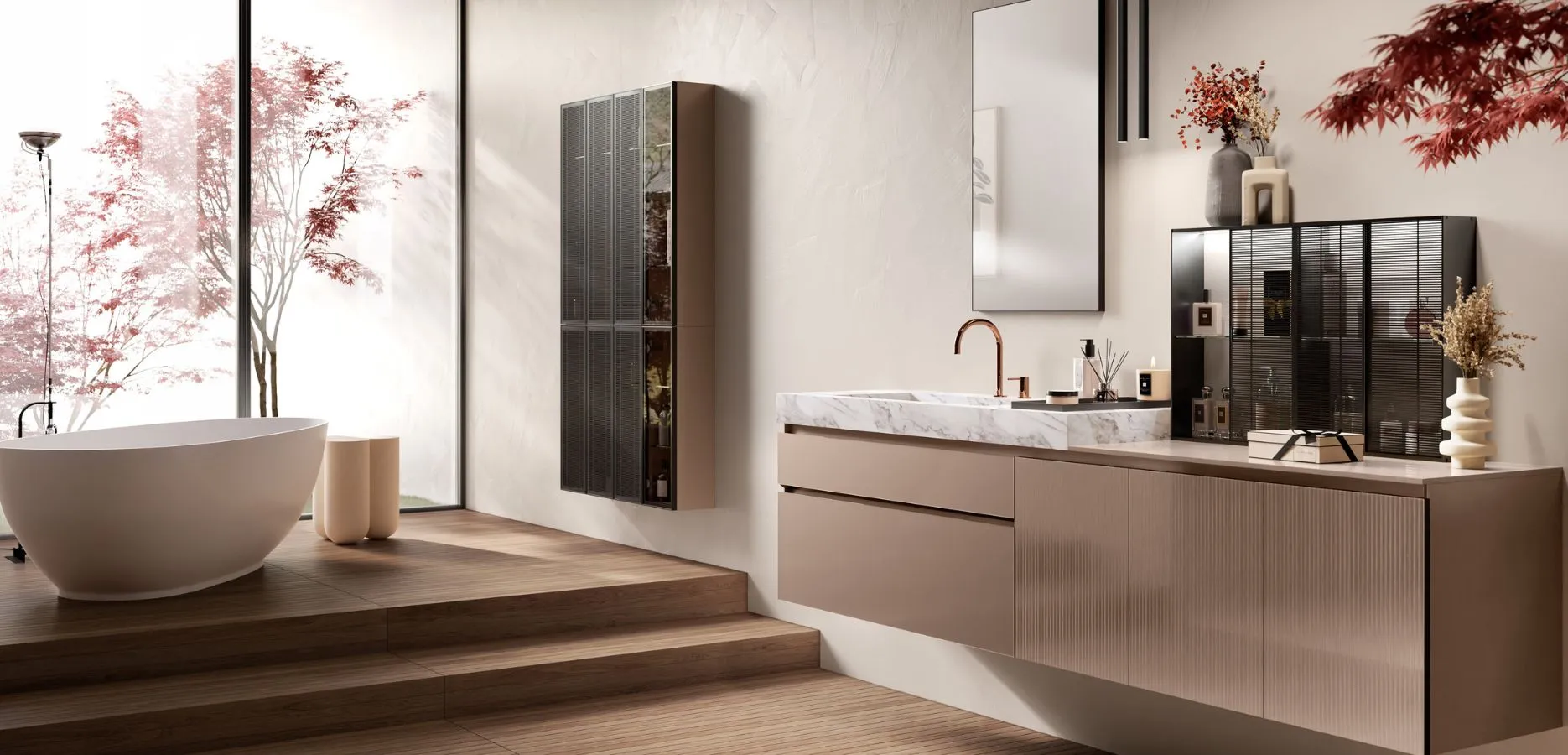
A freestanding bathroom vanity sits directly on the floor, supported by its own base or legs, much like a traditional cabinet. A floating vanity is mounted entirely to the wall, with no legs touching the ground, creating a visual "gap" beneath the unit.
That single structural difference changes almost everything else about how the vanity performs — cleaning, visual space, weight capacity, and installation requirements.
Ergonomics: Height, Reach, and Everyday Usability
Standard vs Customizable Counter Heights
Freestanding vanities typically come in fixed height ranges (usually 32"–36"), which works for most adults but can be uncomfortable for very tall or very short users. Floating vanities, because they're wall-mounted rather than floor-anchored, can be installed at a custom height tailored to the primary user — a meaningful advantage in homes with specific ergonomic needs.
Accessibility Considerations
For wheelchair users, elderly residents, or children's bathrooms, a floating vanity offers a practical benefit: knee and footrest clearance underneath. This isn't just a comfort feature — it's often part of accessible bathroom design guidelines, where under-counter clearance is required for wheelchair approach.
Cleaning & Hygiene: Why Floating Vanities Win on Floor Maintenance
This is where the best bathroom vanity for small spaces conversation usually settles.
The Floor-Vanity Joint Problem
A freestanding bathroom vanity sits directly on the floor, supported by its own base or legs, much like a traditional cabinet. A floating vanity is mounted entirely to the wall, with no legs touching the ground, creating a visual "gap" beneath the unit.
Floating Vanities and Modern Cleaning Tools
With no legs or base touching the floor, a floating vanity allows:
- A mop or squeegee to pass underneath in one motion
- Robot vacuums to clean the full floor area without obstruction
- Visibly fewer grime traps, since there's no cabinet-to-floor seam to scrub
For compact bathrooms, the visual gap beneath a floating vanity also makes the floor area look larger — a common reason it's recommended as the best bathroom vanity for small spaces.
The Wall Anchoring Problem Nobody Talks About
Here's the part most buyers — and unfortunately, many installers — get wrong.
Why Floating Vanities Actually Fail
Floating vanities rarely fail because of bad design. They fail because of under-specified brackets — hardware rated for far less weight than the vanity will actually carry once you factor in the counter material, basin, stored items, and someone leaning on the edge while brushing their teeth.
What a Proper Load-Bearing Vanity Bracket System Looks Like
A correctly engineered wall-mounted vanity anchor system typically includes one or more of the following, depending on wall type:
- Ledger boards – a concealed horizontal support fixed directly into wall studs or masonry, distributing weight evenly across the vanity's width
- Toggle bolts – used on drywall or partition walls where there's no stud directly behind the vanity, spreading load across a wider anchor point
- French cleats – interlocking wall-and-cabinet strips that hang the vanity securely while allowing precise leveling during installation
- Concealed heavy-duty steel brackets – rated for combined static and dynamic load (someone sitting or leaning on the vanity edge)
Weight Capacity: What You're Actually Anchoring
A floating vanity's real load isn't just the cabinet — it's the sum of:
|
Component |
Approx. Weight Contribution |
|
Vanity cabinet (BWP core) |
15–25 kg |
|
Stone/quartz countertop |
20–40 kg |
|
Basin (ceramic/vessel) |
8–15 kg |
|
Stored items (daily use) |
5–10 kg |
|
Dynamic load (leaning/sitting) |
80–100 kg (momentary) |
A bracket system rated only for static cabinet weight — without accounting for dynamic load — is the single biggest cause of floating vanity failure. This is why the anchor system matters more than the vanity design itself.
Floating vs Freestanding: Side-by-Side Comparison
|
Factor |
Floating Vanity |
Freestanding Vanity |
|
Cleaning ease |
Excellent — full floor access |
Moderate — floor-joint buildup |
|
Wall requirement |
Requires load-rated anchor system |
Minimal — floor-supported |
|
Load limit |
Depends entirely on bracket/wall type |
Higher tolerance, self-supporting |
|
Visual space |
Makes small bathrooms feel larger |
Takes up visible floor footprint |
|
Installation complexity |
Higher — needs wall assessment |
Lower — standard placement |
|
Best for |
Small/modern bathrooms, accessibility needs |
Heavy storage needs, older wall types |
|
Cost |
Slightly higher (hardware + labor) |
Generally lower installation cost |
How Novella Kitchens Engineers Floating Vanity Support
Every floating vanity from Novella Kitchens is built around the anchor system, not the other way around. Before installation, our team assesses:
- Wall type — brick, RCC (reinforced cement concrete), or drywall/partition — since each requires a different anchor approach
- Combined load rating — cabinet, countertop material, and basin type are factored into bracket selection, not assumed
- Reinforced internal cleats — built into the cabinet core itself (BWP marine-grade plywood) so the mounting point doesn't stress a weaker section of the carcass
- Concealed heavy-duty brackets — rated well above the calculated static and dynamic load, so the vanity remains stable even under regular daily use
This is the difference between a floating vanity that looks good on installation day and one that stays solid for a decade.
Conclusion: Choosing Between a Floating and Freestanding Vanity
The floating vs freestanding bathroom vanity decision isn't really about style — it's about matching the vanity to your wall, your bathroom size, and how you use the space daily. A floating vanity offers superior cleaning ease, a larger visual footprint, and custom-height ergonomics, but only delivers on that promise when it's backed by a genuinely load-bearing vanity bracket system suited to your wall type. A freestanding vanity trades some of that visual openness for simpler installation and reliable support on virtually any floor.
If you have solid wall backing and want the best bathroom vanity for small spaces, a floating design engineered with the right anchor system is the stronger long-term investment. If your walls are uncertain, or you're in a rented space, a freestanding vanity remains the safer, no-compromise choice.
Explore Novella Kitchens' Floating Vanity Collection or book a free site wall-assessment to find out exactly which anchor system your bathroom needs.
Also Read: Timeless Elegance: The Ultimate Guide to Granite Bathroom Vanities
Frequently Asked Questions
Q1 Which is better, a floating vanity or a freestanding vanity?
A floating vanity is better for small bathrooms, easier floor cleaning, and a modern look, but it depends on a strong wall-mounted anchor system. A freestanding vanity is better when wall strength is uncertain, when more storage is needed, or for rental homes where permanent wall fixtures aren't ideal. Neither is universally "better" — the right choice depends on wall type, bathroom size, and storage needs.
Q2 Can a floating vanity hold a heavy stone countertop?
Yes, a floating vanity can hold a stone countertop like quartz or granite, but only when it's installed with a properly load-rated wall-mounted anchor system. The bracket and wall type must be assessed before installation, since stone adds significant static weight that standard drywall anchors cannot support safely.
Q3 Do floating vanities work on all wall types?
No, floating vanities do not work equally well on all wall types. Solid brick or RCC (reinforced cement concrete) walls are ideal for heavy-duty anchors, while drywall or partition walls need toggle bolts or ledger boards designed for lower-density surfaces and generally support less weight.
Q4 Are floating vanities harder to install than freestanding ones?
Yes, floating vanities are more complex to install because they require a wall load assessment, stud or masonry anchoring, and precise leveling before mounting. Freestanding vanities are simpler to install since they rest on the floor and don't depend on wall strength.
Q5 Which vanity type is better for rental or leased homes?
Freestanding vanities are generally better for rental or leased homes because they don't require permanent wall modifications and can be removed or relocated without repairing the wall. Floating vanities are better suited to owned homes where a proper anchor system can be installed.
Q6 How much weight can a floating vanity bracket safely hold?
A well-engineered floating vanity bracket system should support the combined weight of the cabinet, countertop, and basin, plus extra capacity for dynamic load such as someone leaning or sitting on the edge — typically 100 kg or more when anchored correctly into wall studs or masonry.
Q7 Do floating vanities make a small bathroom look bigger?
Yes, floating vanities create a visible gap between the cabinet and the floor, which makes the floor area appear larger and less cluttered. This is one of the main reasons floating vanities are recommended as the best bathroom vanity option for small spaces.